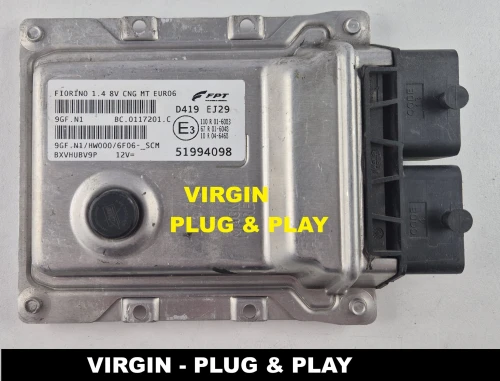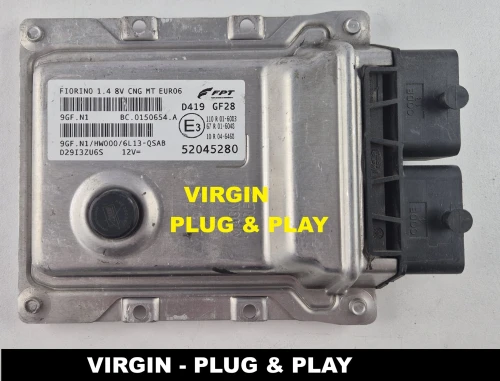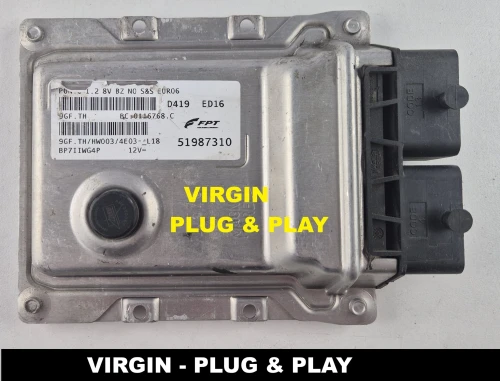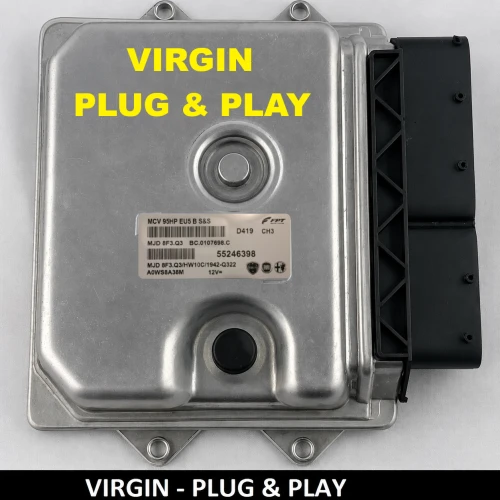

Testing Automotive Electronics – How Do We Check Our Parts?
Automotive Electronics – A Key Component of Modern Vehicles
Automotive electronics play a crucial role in modern vehicles, affecting both driving comfort and safety. Over the past decade, automotive technology has made significant advancements, which are evident in the numerous driver assistance systems available today. Modern cars are equipped with advanced electronic systems that not only facilitate vehicle operation but also control its key functions.
From GPS navigation systems and comfort control modules to advanced systems that monitor engine and drivetrain performance, electronics have become an integral part of contemporary vehicles. Safety systems such as ABS, ESP, airbags, and adaptive suspension also rely on the operation of electronic control units.
Why Is Testing Automotive Electronics So Important?
The efficiency of electronic systems is crucial for the proper functioning of an entire vehicle. The failure of a single component can lead to malfunctions in other systems or even cause a complete vehicle breakdown. That is why rigorous testing of electronic modules before reintroducing them to the market is essential.
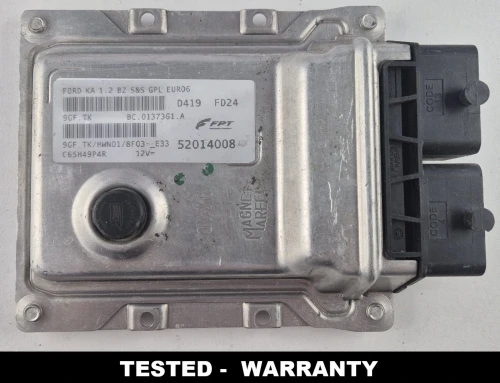
In our e-commerce store, we offer automotive parts that undergo thorough quality testing. Every engine ECU or electronic module is subjected to strict diagnostic tests to ensure full functionality and reliability.
How Does the Automotive Electronics Testing Process Work?
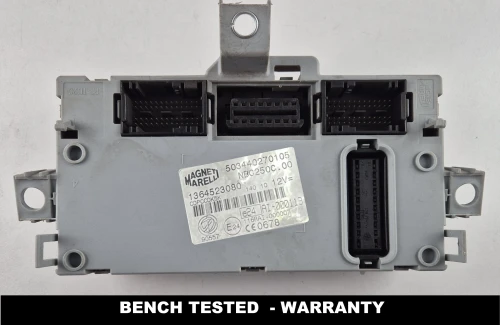
Testing electronic modules requires advanced diagnostic equipment and extensive technical knowledge. At our company, we use modern test benches that allow us to verify the correct operation of each unit. This process consists of several stages:
-
Diagnostics and Functional Testing – First, we test communication with the module by connecting to it via plug pins, supplying power, and then using a dedicated device to wake up the engine ECU and establish a connection, reading its parameters.
-
Cleaning and Protecting Electronics – The next step is to open the device and inspect the condition of the mainboard, circuit traces, processors, drivers, and solder joints. If everything is in order, we clean the board and apply a special transparent lacquer to protect the entire electronic system from oxidation and corrosion.
-
Housing Restoration and Retesting – The final stage involves reassembling the board into the housing, sealing it with silicone. If the housing is in poor condition, we refurbish it by sandblasting and painting it to remove corrosion. This process protects the product from adverse weather conditions.
-
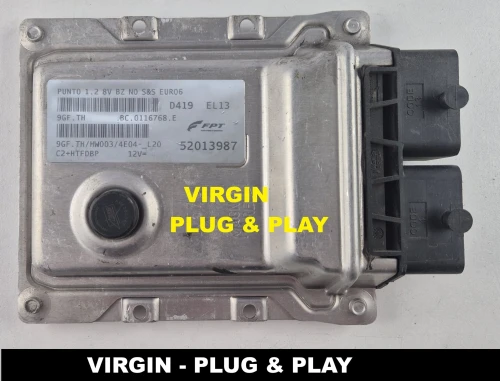
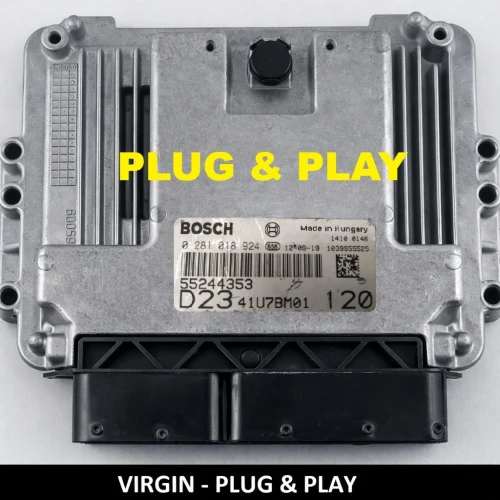
Final Testing – After reassembly, we perform another communication test and upload new, clean software that does not contain any stored data from the vehicle it was removed from. This ensures that the product can be used in another car without any programming-related complications. The learning process for the device is identical to that of a new product since the uploaded software is the same.
Quality and Reliability Guarantee
All our products undergo thorough quality control, ensuring that our customers receive tested and fully functional parts. We invest in modern diagnostic equipment and continuously improve our team's qualifications to meet customer expectations and guarantee the highest quality of offered parts.
If you are looking for reliable electronic modules for your vehicle, visit our store! We offer a wide selection of automotive electronics that have undergone rigorous testing and are ready for trouble-free use.
What to Do If the Engine ECU Gets Water-Damaged?
Heavy rainfall is one of the most common causes of engine ECU water damage. In many vehicle models, the ECU is placed in areas exposed to water, which can lead to serious malfunctions. If water enters the ECU, it may cause a short circuit, often resulting in complete vehicle immobilization.
Most Commonly Affected ECU Models:
This problem frequently occurs in Opel Corsa D models with a 1.3 diesel engine, where the engine ECU is located near the windshield cowl. If drainage systems are clogged or the car is subjected to intense washing, water may not drain properly, leading to ECU damage.
Similar issues affect vehicles such as Peugeot Boxer, Fiat Ducato, and Renault Master, which use SID208 ECUs. In these models, water can enter the ECU through electrical connectors, causing short circuits and irreversible damage.
How to Prevent ECU Water Damage?
To avoid such issues, it is advisable to regularly check the condition of water drains and keep them clear. If the ECU does get wet, it is best to contact a specialist as soon as possible and attempt diagnostics – the sooner the problem is detected, the higher the chance of avoiding costly replacement of the entire module.
If the engine ECU is completely damaged, repairs may not be possible, leaving replacement as the only option. We offer a wide range of tested, renovated engine ECUs, which are protected against future water exposure. This is a much more cost-effective alternative than purchasing a brand-new, significantly more expensive unit.
By purchasing a tested, used product from our store, you receive a professionally tested device that has never been in contact with water. This is a cheaper option than buying a new ECU, and at the same time, you contribute to environmental protection by giving a second life to a used part.