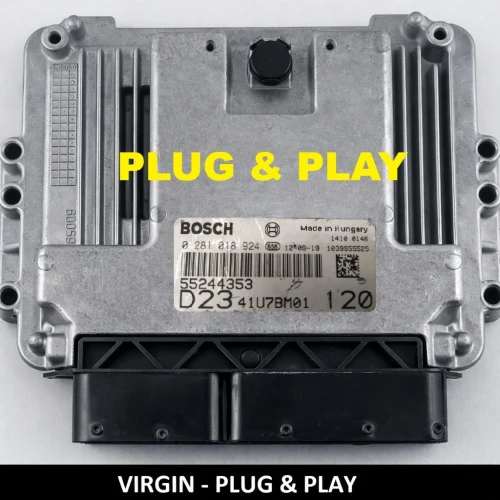


Replacing the DCM3.5 Engine ECU in Ford 2.0 TDCI – How to Choose the Right Unit, Program It, and Repair the Vehicle Effectively
In many Ford models with the 2.0 TDCI engine, especially those manufactured after 2010, the DCM3.5 ECU is used – an advanced unit responsible for controlling the entire powertrain. It can be found in models such as the Mondeo, Galaxy, S-Max, Focus, Kuga, Transit, and many others. Replacing this unit may seem like a simple operation, but in practice, it requires software matching, immobilizer adaptation, and selecting the correct ECU version – not just based on the OEM number. In this article, we explain how to identify the correct version, what the differences are, how programming works, and why it's important to match the ECU using the VIN.
DCM3.5 ECU – Not All Are the Same
Although all these ECUs belong to the DCM3.5 family (mainly manufactured by Continental/VDO), their internal configurations can differ significantly. Modules that look similar and have part numbers like BG91-12A650-FFE, BG91-12A650-FFF, EG91-12A650-KA may have different software versions, coding, and PATS (immobilizer) configurations. Moreover, even two ECUs with the same OEM number may not be interchangeable if they come from different body variants or equipment levels (e.g. automatic vs manual transmission).
That’s why the safest and most reliable way to choose the right ECU is identification by the VIN. Based on the VIN, you can determine not only the ECU type but also the exact software version, calibration, injector types, and gearbox configuration.
Where Is the DCM3.5 Installed and Why Does It Often Fail?
The DCM3.5 control unit is usually located in the engine bay, just behind the front bumper, near the left wheel arch or under the headlamp. Although the aluminum housing is relatively sealed, this location exposes it to moisture, road salt, mud, and – worst of all – mechanical damage in case of a collision.
Many failure reports are related to the consequences of accidents – even a seemingly minor fender bender can damage the ECU. Additionally, damage often occurs due to power surges, burnt power circuits, or incorrect booster connection or improper chip tuning attempts.
Programming the DCM3.5 – Required Tools and Procedures
A new or refurbished DCM3.5 ECU needs to be assigned to the vehicle. To do this, you’ll need a diagnostic tool compatible with Ford systems, such as IDS, UCDS, or FORScan. Simply connecting the unit is not enough – you must complete the PATS (immobilizer) adaptation process, assign the configuration coding, and enter injector data if required.
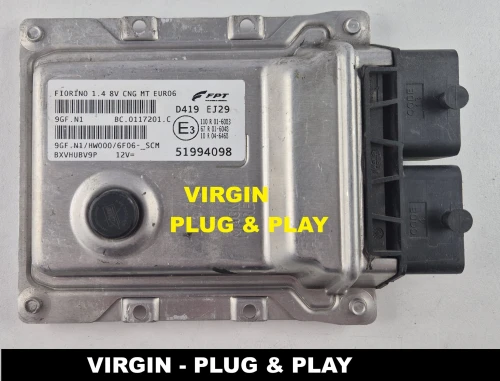
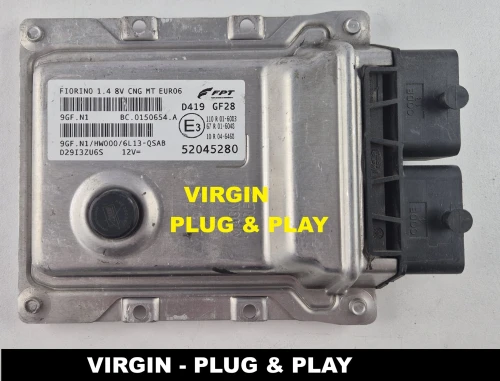
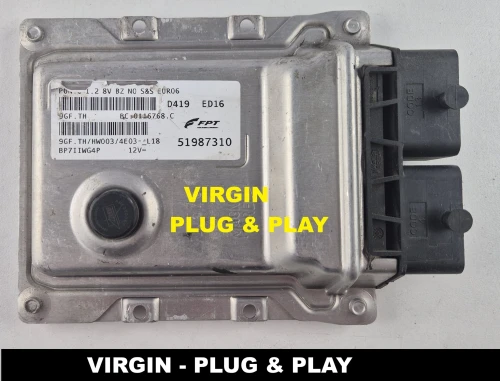
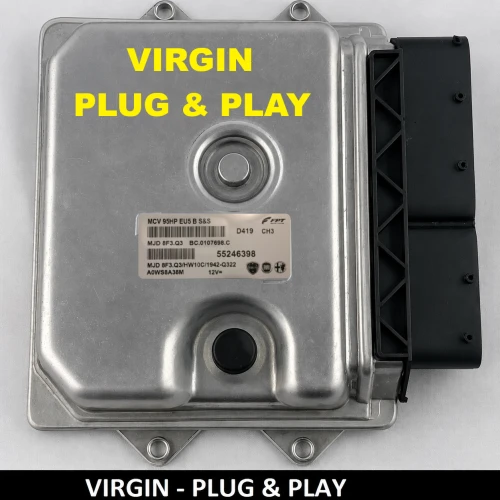
Very important: for full immobilizer adaptation, at least two physical keys are required. Without them, the PATS system will not allow you to complete the procedure, and the vehicle won’t start. For many owners with only one key, this becomes a major issue. In such cases, you can opt for data cloning or request a VIRGIN-mode ECU, which automatically adapts upon connection (only if the original BCM and key set are retained).
Common Errors and Issues When Replacing the ECU Incorrectly
Many users attempt to replace the DCM3.5 ECU with another one “with the same number” purchased online. This often results in errors such as:
- engine won’t start
- PATS system error messages
- no communication with PCM or OBD
- configuration mismatches and incorrect engine maps
To avoid such issues, we offer **ECUs matched individually to your VIN**. Based on it, we prepare a unit with the correct software, in either VIRGIN (clean) or cloned form (with immobilizer and vehicle configuration data).
Ford Models with DCM3.5 ECU – Most Common Variants
The DCM3.5 ECU is used in many 2.0 TDCI engine models – here are the most commonly seen vehicles by generation and version:
- Ford Mondeo Mk4 / Mk5 (2007–2014 / 2015–2018) – 2.0 TDCI 140 HP, 163 HP, 180 HP versions
- Ford Galaxy / S-Max – mainly post-facelift, 2.0 TDCI with automatic transmission
- Ford Kuga Mk1 and Mk2 – 2.0 engines with FWD or AWD
- Ford Transit / Transit Custom – from 2012 onwards, especially Euro 5 and Euro 6 engines
- Ford Focus Mk3 – 2.0 TDCI 150 HP / 185 HP versions
DCM3.5 from ECUSale – What Do You Get?
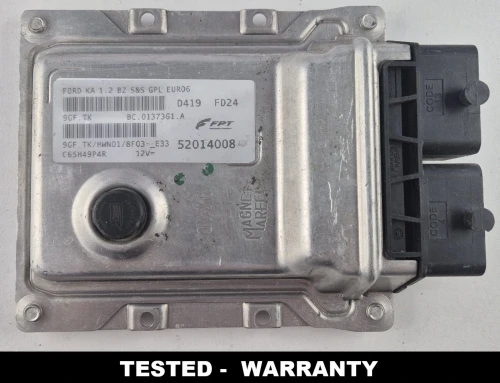
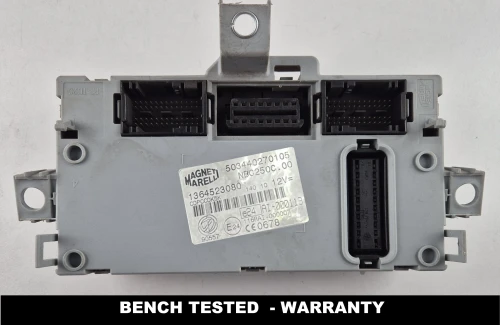
In our offer, you'll find fully prepared, tested, and verified DCM3.5 ECUs. Each module can be delivered in one of two options:
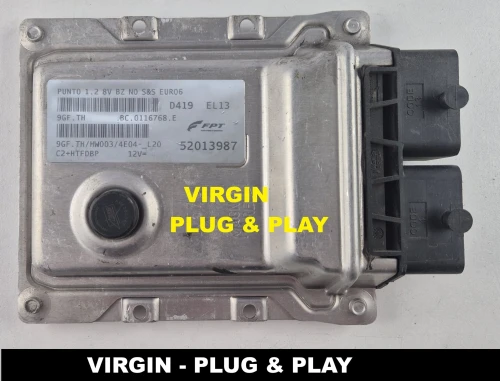
- VIRGIN (clean) – ready to be programmed via FORScan or IDS
- CLONED – prepared using your faulty ECU, works immediately after installation
If needed, we also offer ECU programming from FLASH, EEPROM, or MPC files – simply send us the dump from your ECU or the PCB alone.
Additional Options: ECU Modifications
Upon request, we perform ECU software modifications such as:
- EGR OFF – disabling exhaust gas recirculation valve
- DPF OFF – disabling the diesel particulate filter
- ADBLUE OFF – SCR system deactivation
- CHIP TUNING – increasing power by +15–20%
Each operation is preceded by a readout and backup of original data. We only work with master-level equipment, and each modification is verified in a test vehicle.
Ready to Ship – DCM3.5 ECUs in Stock
At ECUSale, we have a wide selection of DCM3.5 ECUs available for immediate shipping. The most popular part numbers in stock include:
- BG91-12A650-FFE / FFF
- BV61-12A650-AFJ / AGJ
- AV41-12A650-DJ / CM
- AG91-12A650-ABG / XF
The full list of available models can be found at: Ford DCM3.5 ECU collection. You can place your order directly through our online store – fast, secure, and convenient.
After placing your order, simply send us the VIN of your vehicle – based on it, we will prepare an ECU tailored to your car, significantly reducing lead time and eliminating compatibility issues.

Summary
Replacing the DCM3.5 ECU in a Ford 2.0 TDCI vehicle is a process that requires precision and expertise. Matching the part number alone is not enough – the software, immobilizer, and configuration must be correct. If you want to avoid adaptation problems, it’s best to let a specialist select the unit and choose a tested, verified module matched to your vehicle.
Have questions? Need help selecting the right ECU? Contact us – we’ll prepare a unit based on your VIN and deliver it ready for installation.