
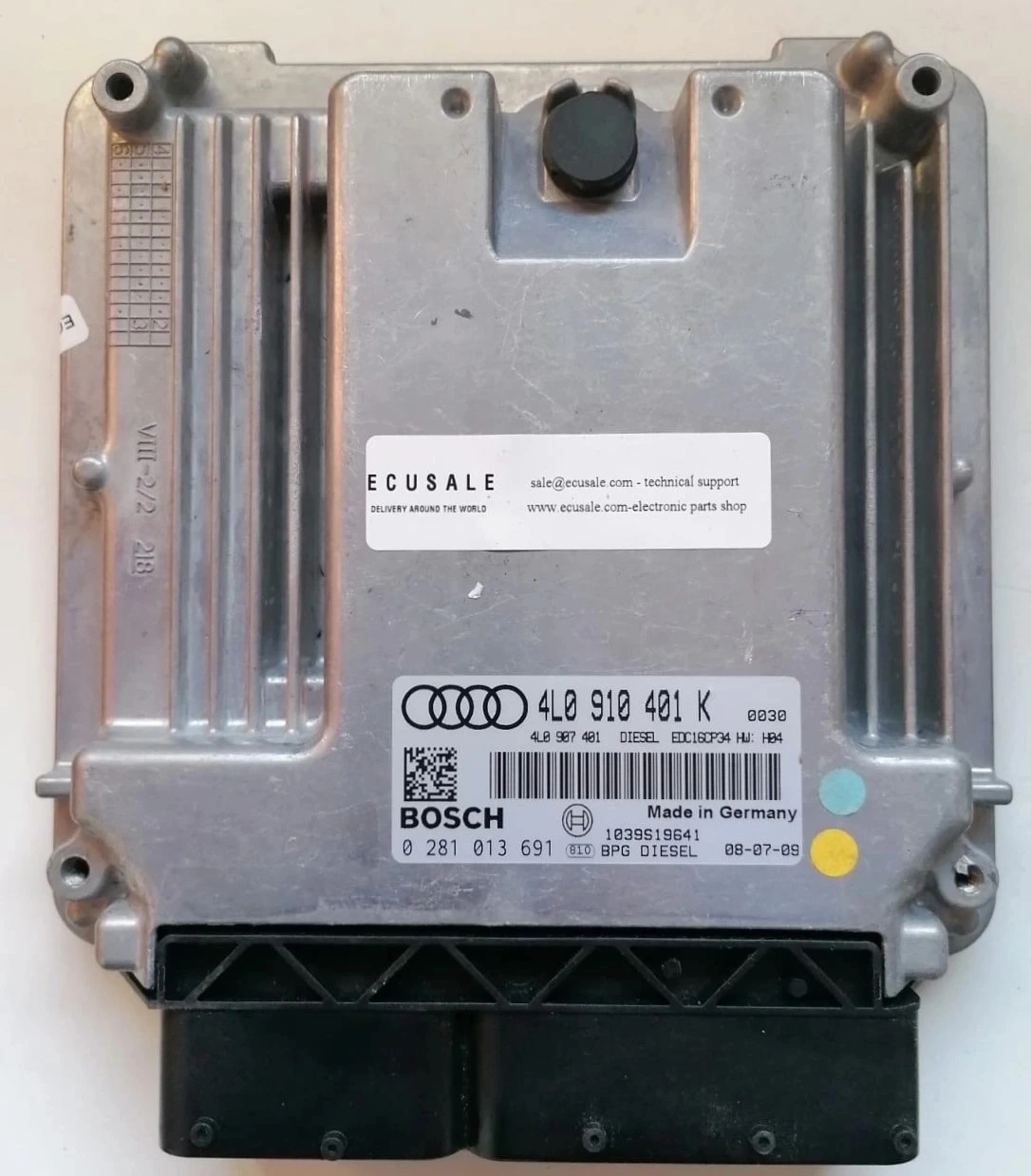
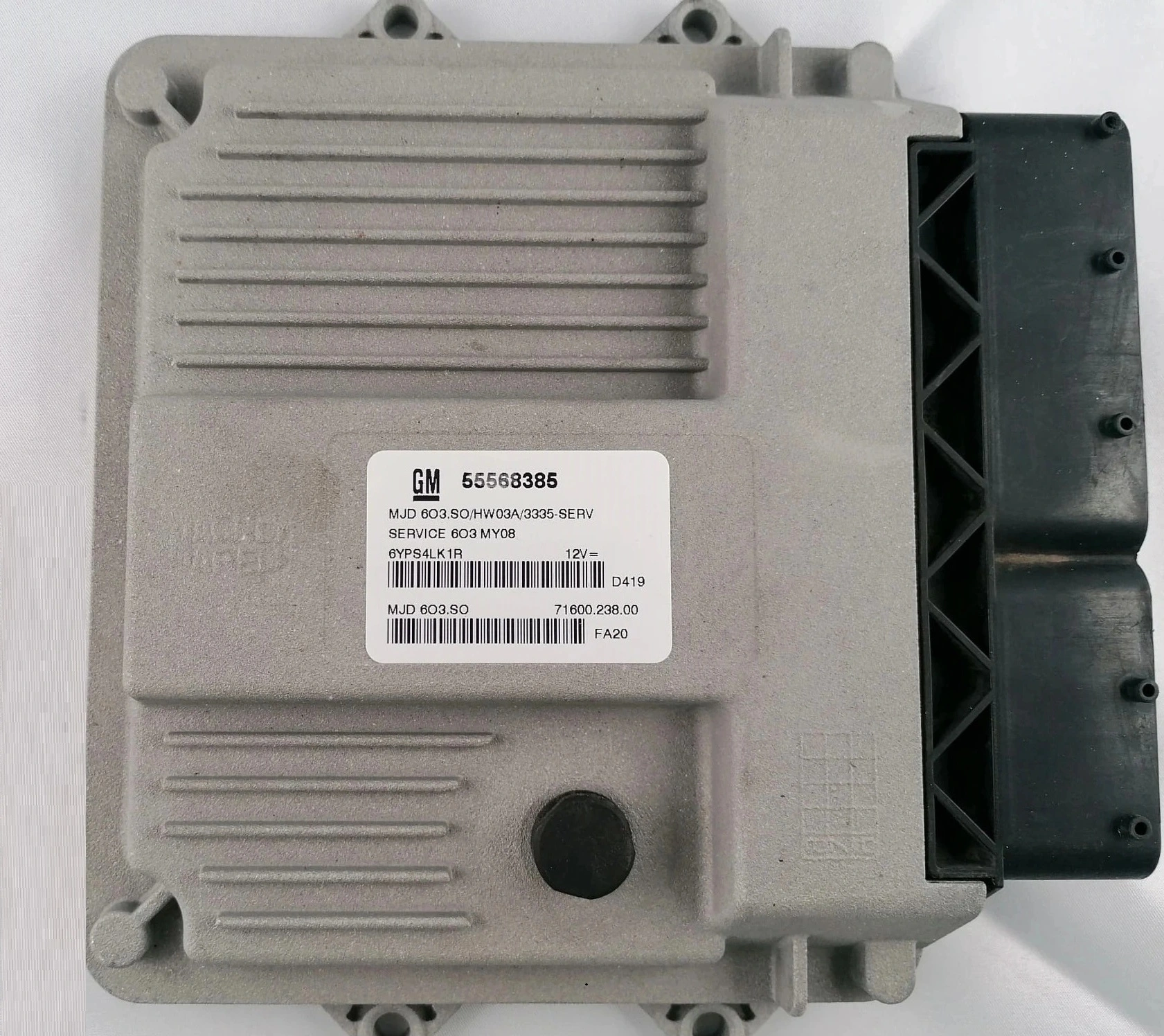
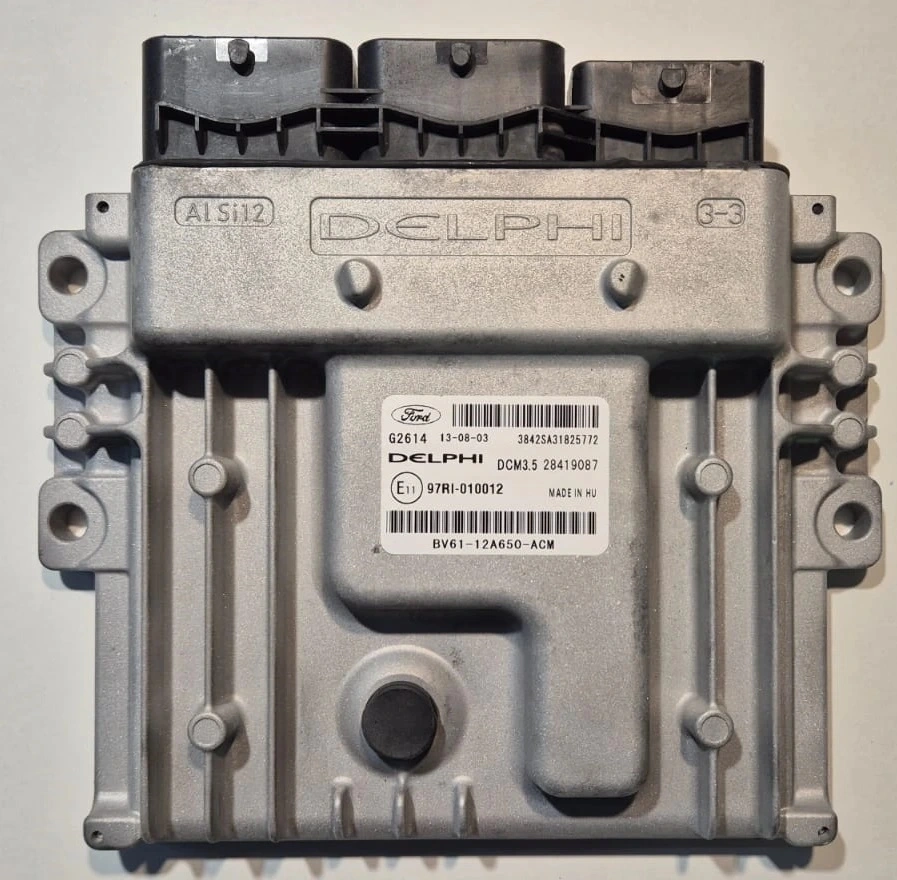
Volvo engine control units – tested replacement ECUs
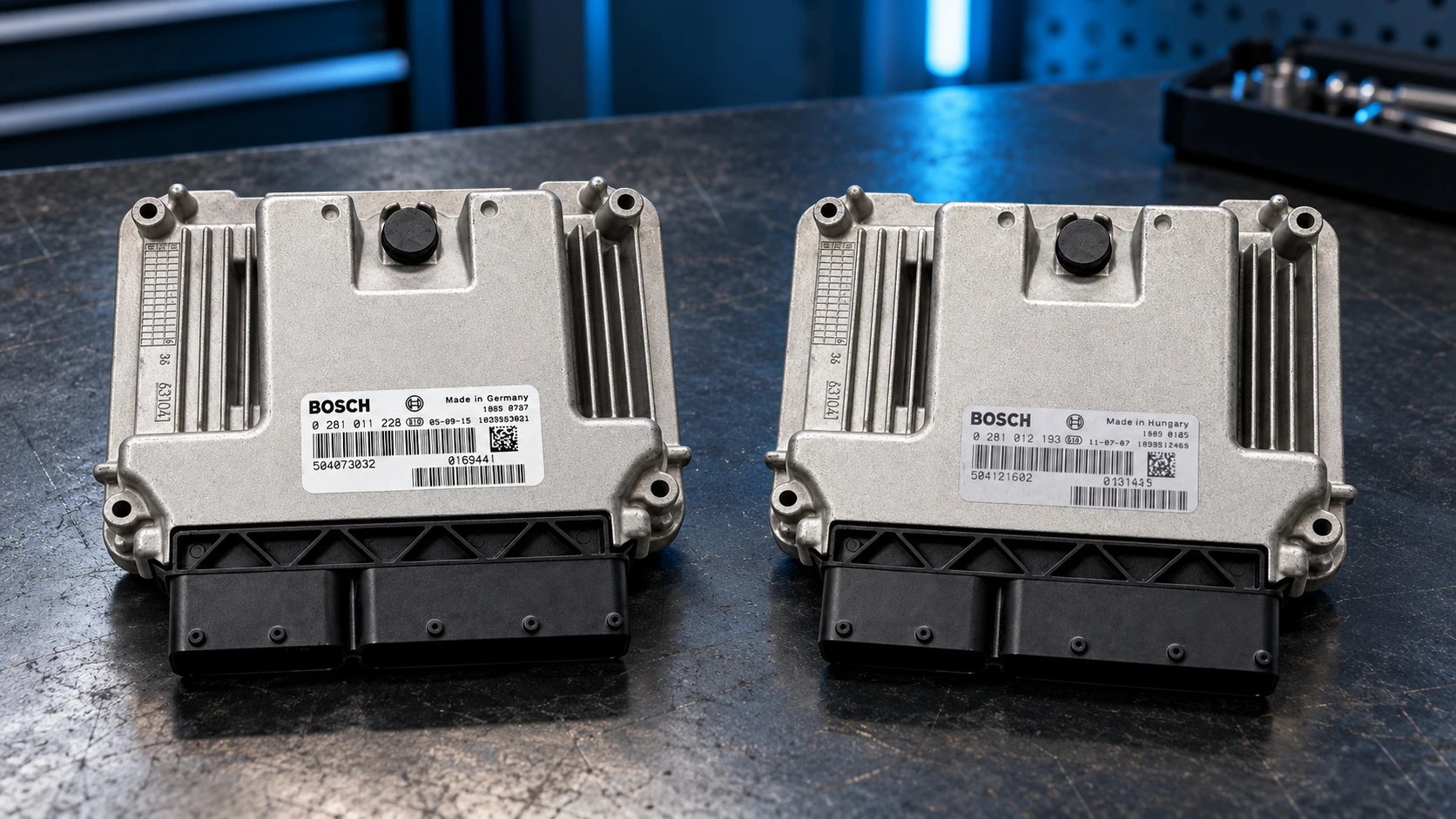
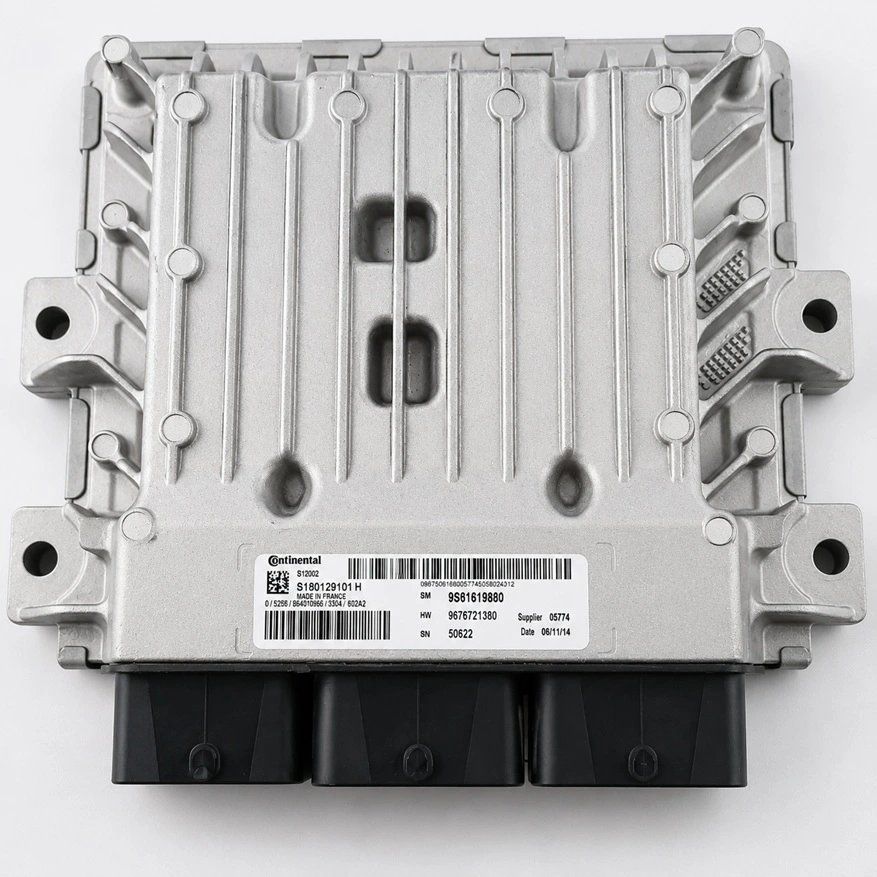
A Volvo engine control unit, also known as an ECU, ECM or engine computer, manages the operation of the engine. Using signals received from sensors, it controls functions such as fuel injection, ignition in petrol engines, turbocharger boost pressure and selected components of the emissions-control system.
The ECU also communicates with other electronic systems in the vehicle or machine. Depending on the application, these can include the transmission controller, immobiliser, body control modules, instrument cluster and data network used for communication and diagnostics.
ECUSale supplies original, used and tested engine control units for different types of Volvo vehicles and machinery. Each controller must be selected according to its complete part numbers and technical specification.
Need help identifying your Volvo ECU?
Send a photograph showing the complete label of the original controller. Include the VIN for a passenger vehicle or the model, serial number and engine details for a truck or construction machine.
Request a compatibility check
Volvo ECUs for passenger cars
This category is intended to cover engine controllers for Volvo passenger cars with petrol and diesel engines, as well as selected powertrain systems used across different vehicle generations.
Volvo engine ECUs may be required for models including:
- Volvo C30 and C70,
- Volvo S40, S60, S80 and S90,
- Volvo V40, V50, V60, V70 and V90,
- Volvo XC40, XC60, XC70 and XC90,
- other Volvo passenger-car models.
This model list is provided only as a general guide. Availability depends on the current range, and compatibility must always be confirmed using the part numbers on the original ECU.
Even vehicles with the same engine capacity and model designation may use different controller families, hardware generations or software calibrations. The model, year and engine type alone should therefore not be used as the final selection criteria.
Engine controllers for Volvo trucks
The category may also include engine ECUs for Volvo commercial vehicles and trucks. These modules manage diesel engine operation and exchange information with the transmission controller, emissions system, instrument cluster and other components connected to the vehicle’s communication network.
Applications may include selected versions from series such as:
- Volvo FH,
- Volvo FM and FMX,
- Volvo FE and FL,
- other Volvo commercial and heavy-duty vehicles.
When selecting a truck ECU, it is particularly important to compare the complete Volvo number, manufacturer reference, engine version, emissions standard, hardware and software. The vehicle identification number and full configuration may also be required.
Volvo construction machinery engine ECUs
ECUSale also supplies electronic controllers for selected Volvo excavators, wheel loaders and other construction or working machines. These modules may differ according to the machine model, engine, production range, serial number and equipment specification.
20582958 TRW P07 Volvo engine controller
An example from the current range is the 20582958 TRW P07 Volvo engine ECU. This original controller is used in selected Volvo construction machines, including applications associated with:
- Volvo EC200D,
- Volvo EC210B,
- Volvo EC290B,
- Volvo L120F.
Final compatibility must be confirmed by comparing Volvo number 20582958, the TRW P07 marking and the remaining information on the original module. A machine model by itself does not prove that the controller is suitable.
Looking for a Volvo construction machine ECU?
Provide the machine model, serial number, engine type and a clear photograph of the complete controller label. This information helps us identify the correct hardware and software version.
View 20582958 TRW P07 Ask about another Volvo ECU
How to select the correct Volvo engine ECU
The complete markings on the original controller provide the basis for reliable ECU identification. The model, production year or engine capacity alone is not sufficient because different hardware and software versions can be fitted to the same vehicle or machine series.
Before ordering, check:
- the complete Volvo OEM part number,
- the ECU manufacturer and its complete reference number,
- the controller family and hardware version,
- all software and calibration markings,
- the engine code, capacity and power output,
- the gearbox type,
- the vehicle or machine model and production year,
- the emissions standard,
- the vehicle VIN or machine serial number.
Some Volvo numbers may have factory replacements or updated service references. However, a newer number should not be treated as compatible until the replacement relationship, hardware and software have been verified.
Does a used Volvo ECU require programming?
A standard used controller can retain software, identification and configuration data from the previous vehicle or machine. Depending on the ECU and its intended application, installation may require:
- loading the correct engine software,
- writing the VIN or machine identification data,
- variant coding or configuration,
- adaptation to the immobiliser system,
- a VIRGIN reset,
- cloning data from the original controller,
- programming for the specific vehicle or machine.
The requirements differ between passenger cars, trucks and construction machinery. Always check the description of the specific product before installation. Do not assume that an ordinary used ECU will operate correctly immediately after being connected.
Programming Volvo engine controllers
Volvo VIDA is one of the systems used for diagnostics, software installation and programming in Volvo passenger cars. Depending on the model and operation, programming may require suitable equipment, compatible software, online access and the appropriate authorisation.
Volvo trucks and selected construction machines require tools and procedures intended for those product groups. These can include Volvo Tech Tool and specialist equipment for reading or writing ECU memory.
Possessing a diagnostic interface does not automatically provide access to every programming function. Some controllers must be programmed through the diagnostic connector, while others may require bench or boot-mode work directly on the ECU.
Cloning a Volvo engine ECU
ECU cloning involves transferring data from the original controller to a compatible replacement module. Depending on the ECU design, the reading may include EEPROM, FLASH, processor data and the vehicle’s individual configuration.
A correctly completed clone may retain:
- engine software and calibration,
- the VIN or machine identification data,
- equipment configuration,
- start-authorisation information,
- individual parameters stored in the ECU.
Cloning is only possible if the replacement controller is compatible and the required data can be read from the original module. If the memory, processor or circuit board is seriously damaged, a complete read may not be possible.
Before sending an ECU for cloning, provide both controller numbers and describe the original fault. In some cases, a VIRGIN reset or programming a replacement module is more appropriate than copying data from a damaged controller.
Volvo VIRGIN ECU and Plug & Play – what is the difference?
A VIRGIN Volvo ECU has been cleared of relevant data from the previous vehicle and prepared for reassignment or programming. VIRGIN does not automatically mean that the controller will work immediately after installation.
A Plug & Play Volvo ECU is prepared in advance for a particular vehicle or machine to reduce the amount of work required after installation. Depending on the controller, this preparation may require the original ECU, complete memory files or detailed vehicle data.
Not every Volvo controller can be supplied in every configuration. The available preparation method must be determined individually from the complete numbers, ECU design and condition of the original module.
Common symptoms of a faulty Volvo ECU
- the engine does not start or starts intermittently,
- the engine stalls unexpectedly,
- no diagnostic communication with the controller,
- limp mode and reduced power,
- fuel-injection system faults,
- turbocharger control problems,
- incorrect engine response under load,
- CAN communication errors,
- problems following interrupted ECU programming,
- electronic damage caused by water, oil, corrosion, overheating, a short circuit or overvoltage.
Similar symptoms may be caused by damaged wiring, poor power or ground connections, faulty sensors, injectors, actuators or another electronic module. The vehicle or machine should be correctly diagnosed before an engine controller is replaced.
What should be checked before fitting another ECU?
Before connecting a replacement controller, check:
- ECU power supplies and ground points,
- fuses and relays,
- wiring harnesses and electrical connectors,
- CAN or other data-network communication,
- battery condition and charging voltage,
- sensors, injectors and actuators,
- signs of moisture, oil, corrosion or overheating.
If the original cause of failure is not removed, it may damage the replacement module or cause the same faults to return after installation.
Why buy a Volvo engine controller from ECUSale?
- original Volvo electronic modules,
- used controllers tested before dispatch,
- clear OEM and manufacturer references,
- information about programming and preparation requirements,
- compatibility assistance assistance based on the original ECU label,
- support for passenger cars, trucks and construction machinery,
- warranty according to the conditions stated for the product,
- national and international delivery.
Before ordering, review the available payment methods, information about shipping costs and delivery times and our returns and complaints policy.
Find the correct Volvo engine ECU
Compare the complete numbers on your original module or send us a photograph of its label. We will help you identify a compatible controller and determine the appropriate preparation method.
View Volvo engine ECUs Request a compatibility check
FAQ – Volvo engine control units
Which types of Volvo vehicles are covered by this category?
The category is intended for engine controllers used in Volvo passenger cars, commercial vehicles, trucks and construction machinery. Availability for a particular model depends on the current stock.
How do I select the correct Volvo engine ECU?
Compare the complete Volvo OEM number and manufacturer reference with the original controller. Also check the engine, ECU hardware and software, vehicle configuration and VIN or machine serial number.
Will a used Volvo ECU work immediately after installation?
Not always. A used controller may require software programming, coding, immobiliser adaptation, a VIRGIN reset or cloning from the original ECU. The required procedure depends on the particular module.
Can a damaged Volvo ECU be cloned?
In many cases it can, provided the required data remain readable and the replacement controller is compatible. The possibility of cloning depends on the ECU design and the extent of the damage.
Is the VIN sufficient to select a Volvo ECU?
The VIN is helpful for passenger cars, but the numbers on the original controller remain essential. For trucks and construction machinery, the exact model, engine, configuration and serial number may also be required.
What is the difference between VIRGIN and Plug & Play?
A VIRGIN controller is prepared for reassignment or programming. A Plug & Play controller is configured in advance for a specific application to reduce the work required after installation.
Which diagnostic equipment is used to program Volvo ECUs?
VIDA is commonly used for Volvo passenger cars. Volvo trucks and selected machines may require Volvo Tech Tool or other specialised equipment. The exact procedure depends on the controller and may also require online access or direct ECU programming.
Are Volvo engine controllers tested before sale?
Yes, the modules offered by ECUSale are checked before dispatch. The customer must still confirm compatibility and diagnose the fault that damaged the original controller.
What should I send if the required Volvo ECU is not listed?
Send a clear photograph of the complete ECU label, the VIN or machine serial number, model, production year, engine type and any relevant diagnostic fault codes.