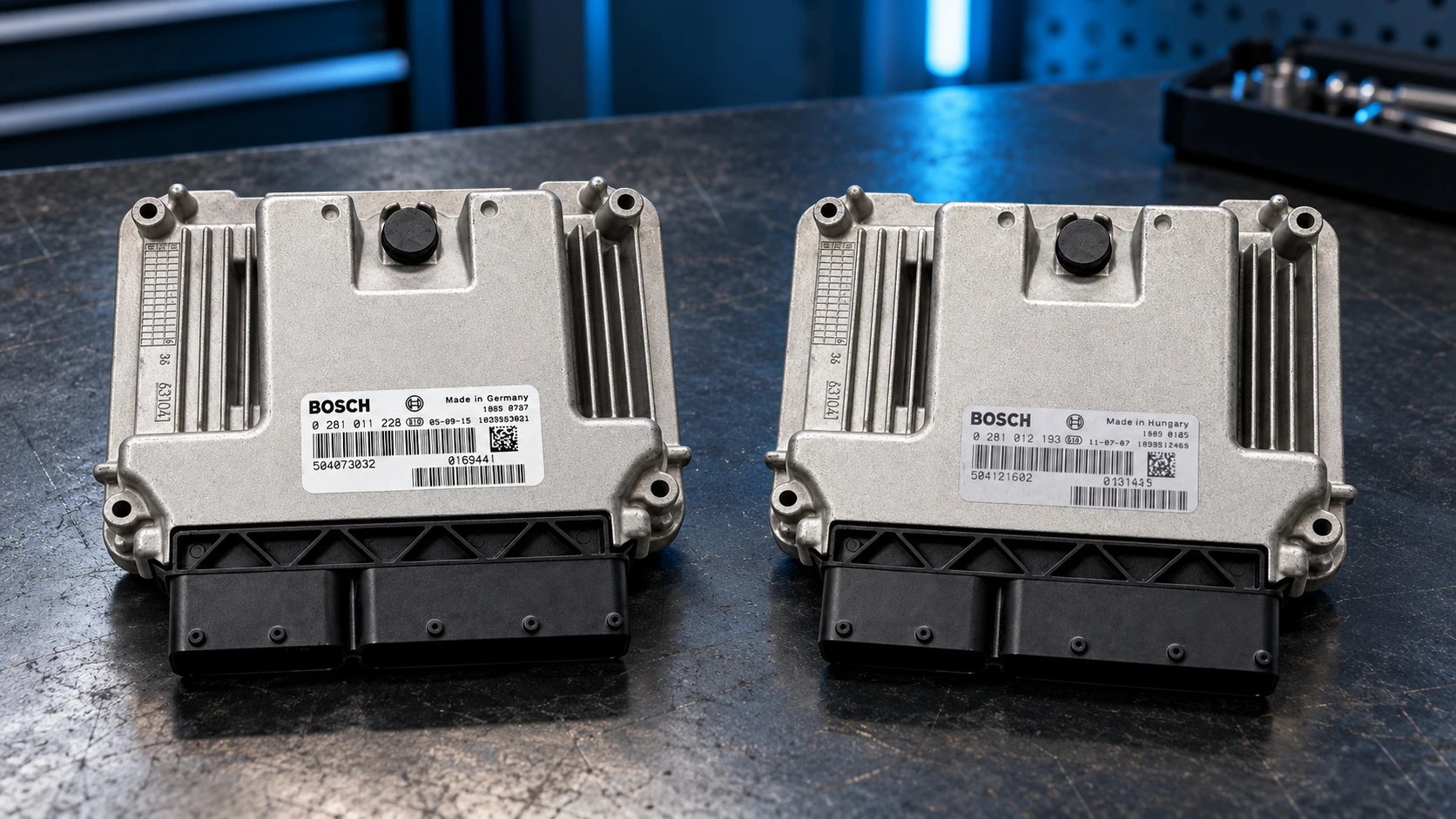

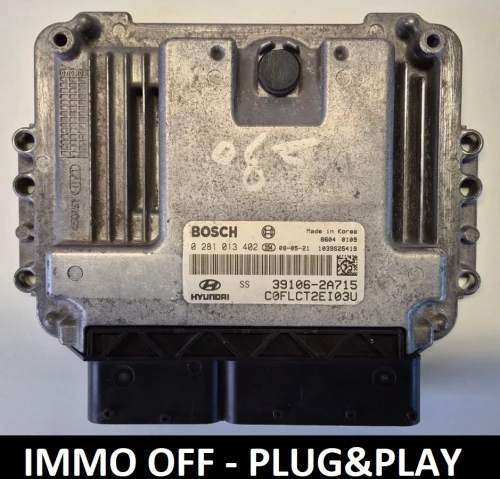
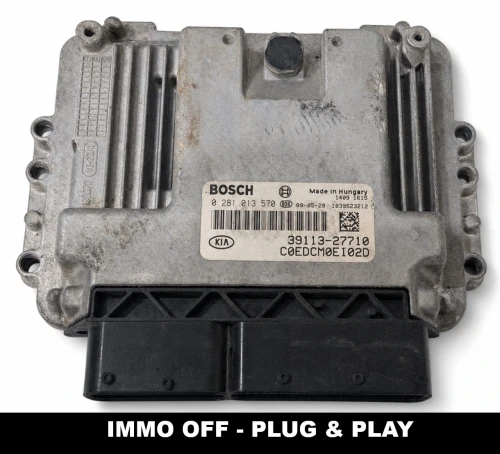
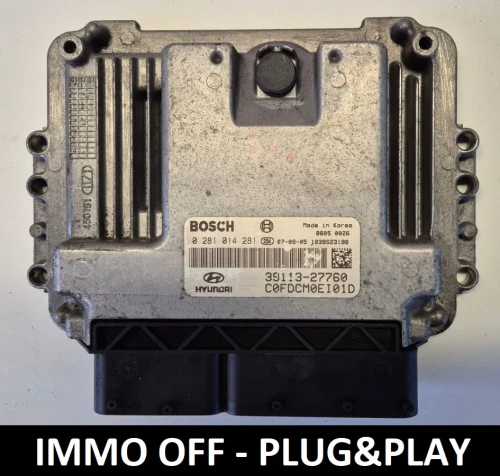
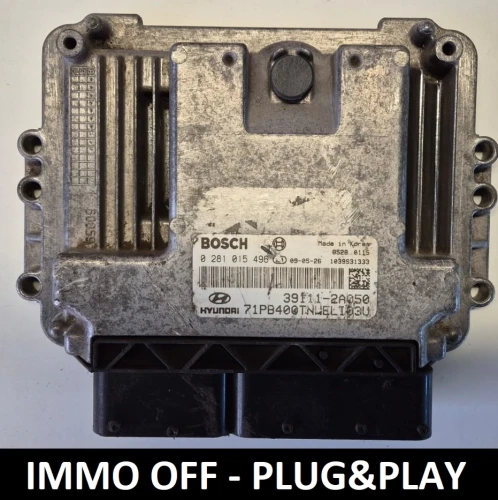
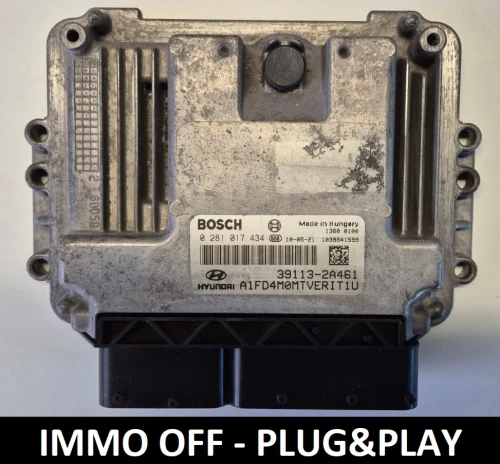
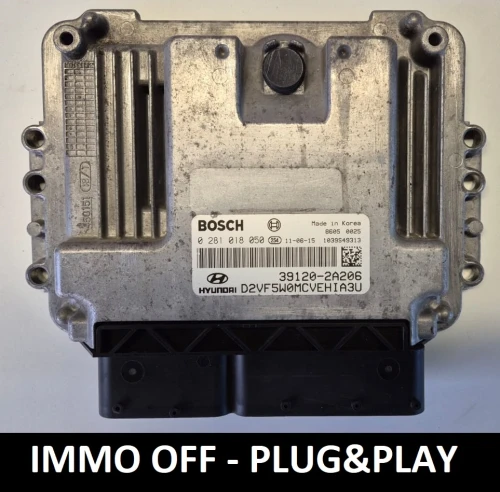
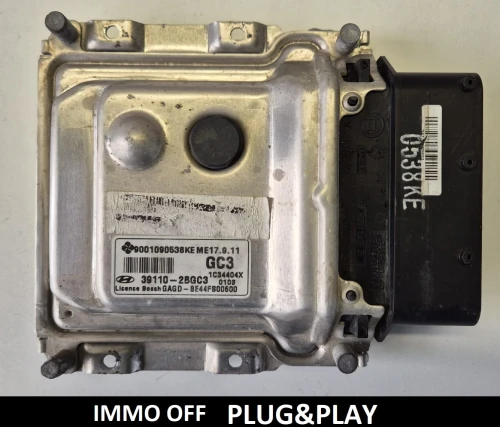
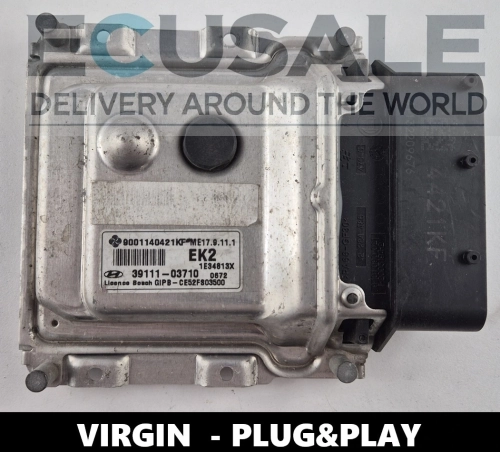
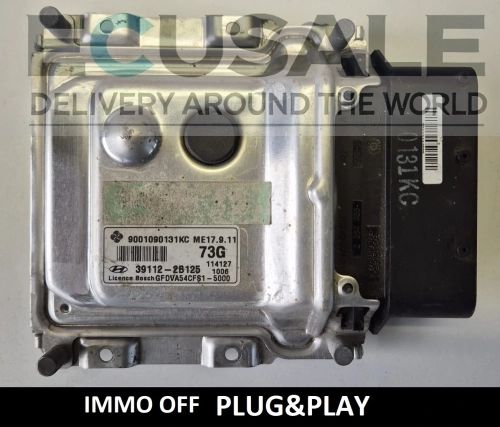
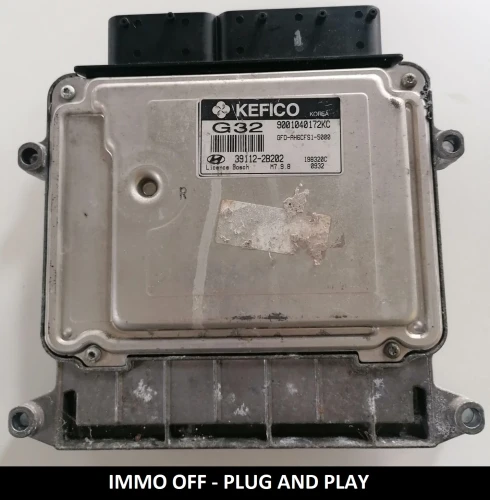
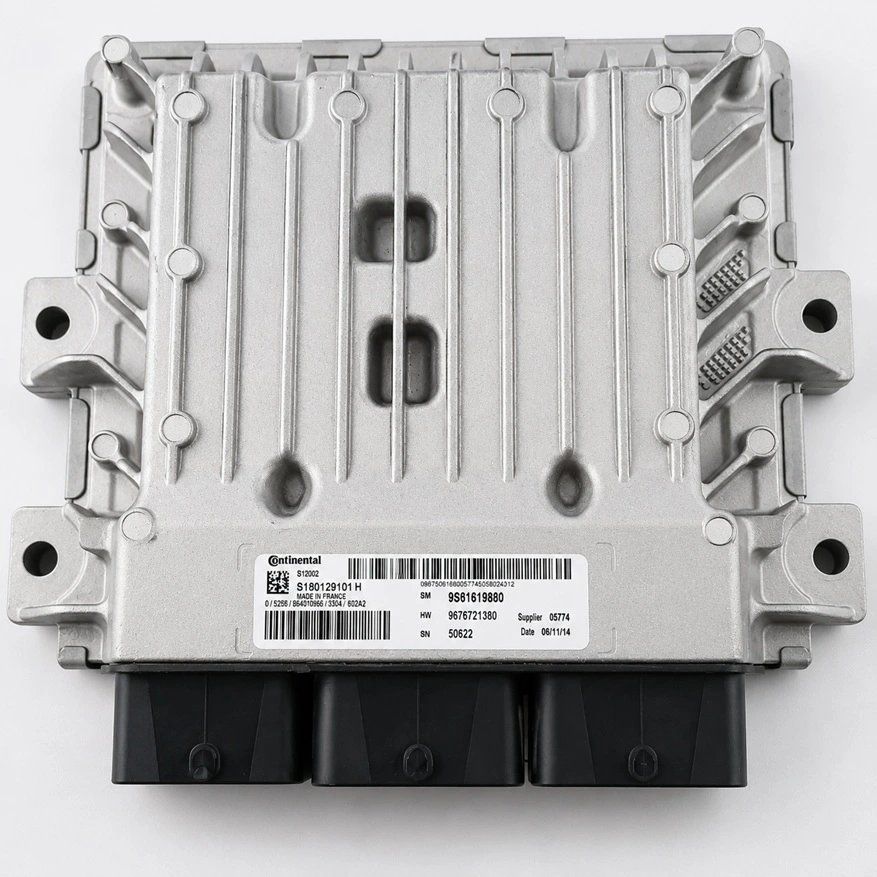
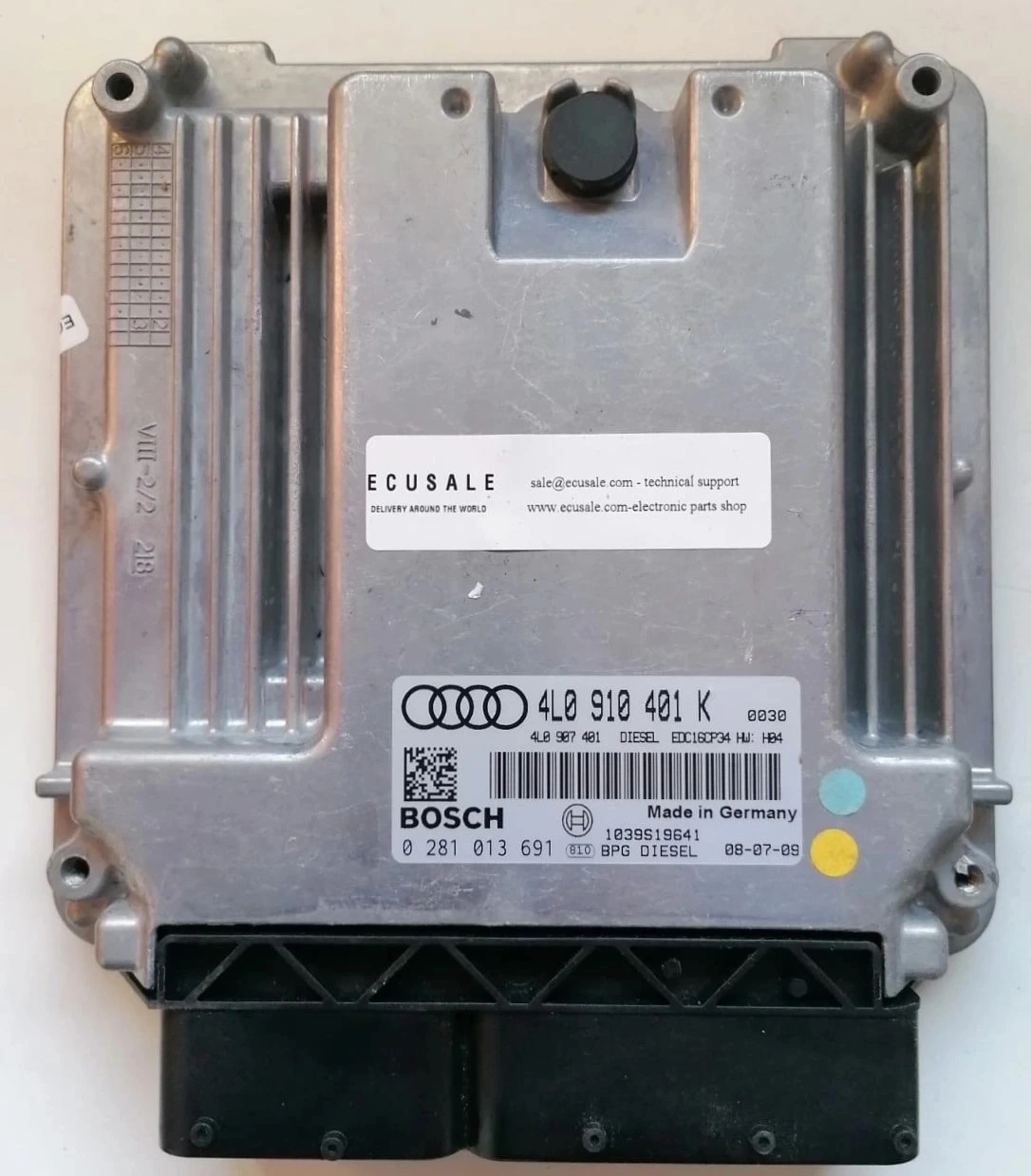
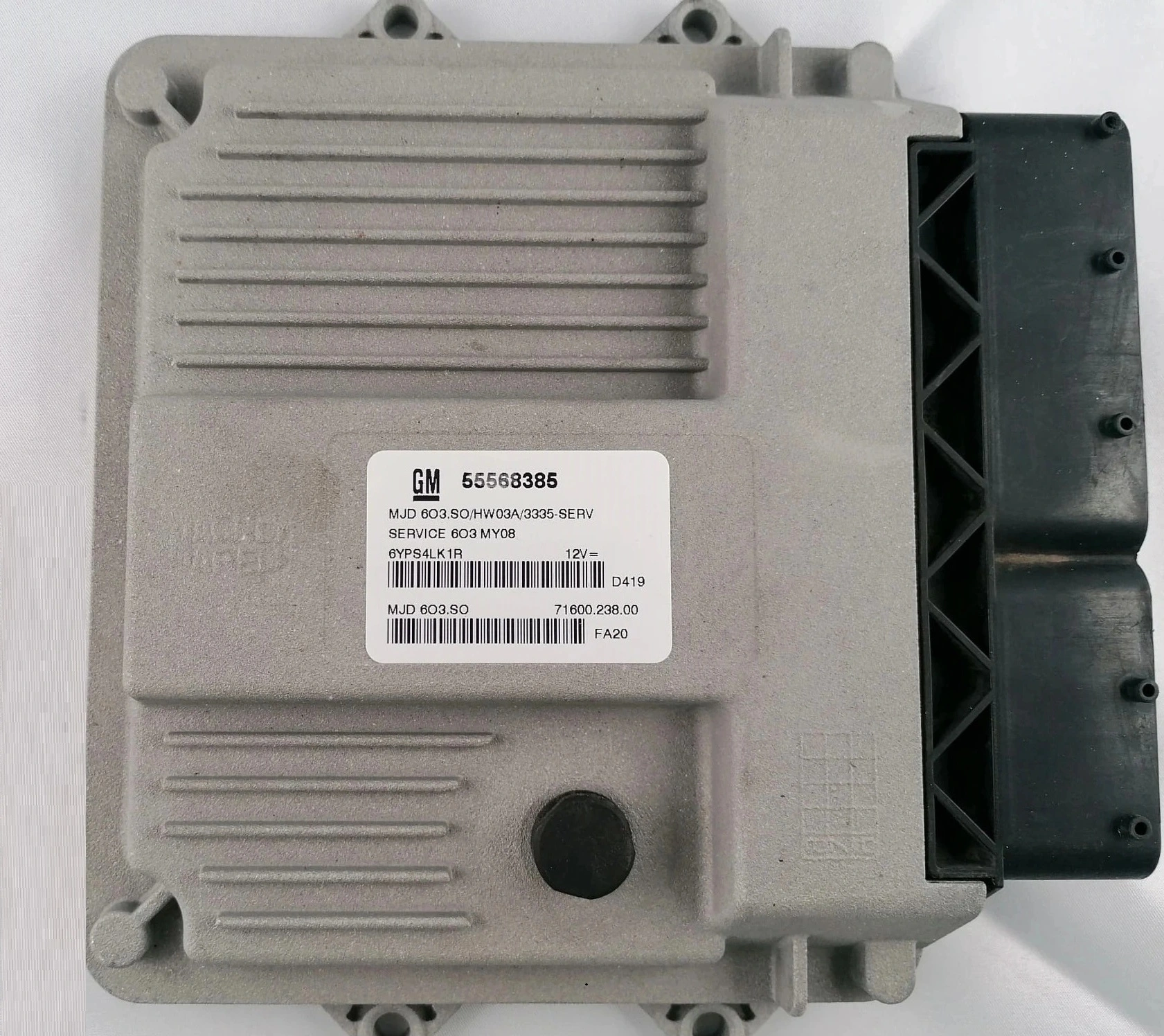
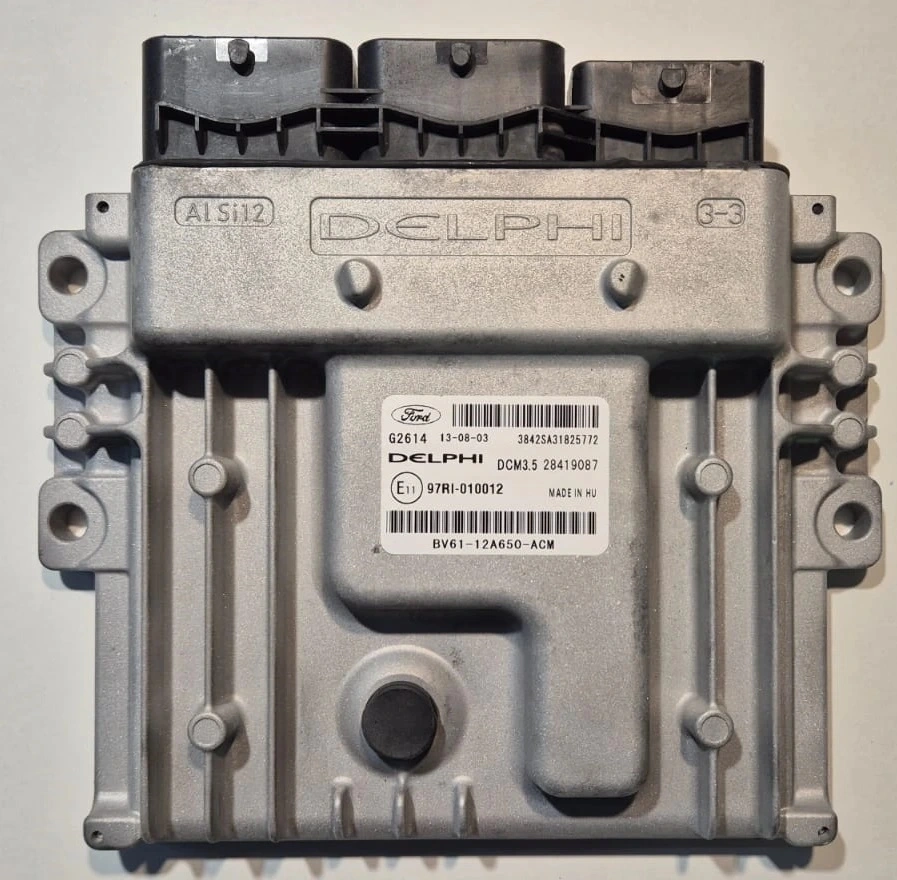

ECU Engine Controller for HYUNDAI – A Modern Component of Powertrain Systems
The engine controller is an advanced electronic device that oversees the operation of all electronic modules in a vehicle. Its main task is to continuously monitor and optimize engine performance, enabling maximum efficiency and fuel economy. In this article, we will explain what an ECU engine controller is and why it plays such a critical role in Hyundai vehicles.
How Does the ECU Engine Controller Work in Hyundai Vehicles?
The ECU engine controller is an advanced computer that processes data from numerous sensors located throughout the vehicle. From the moment the engine starts, it analyzes key parameters such as:
- The amount of air delivered to the cylinders.
- Engine and exhaust temperature.
- Crankshaft rotational speed.
- Pressure in the intake system.
Based on the collected information, the controller performs precise calculations and manages fuel injection and ignition timing. In Hyundai engines, this is particularly important, as the brand places a strong emphasis on optimizing vehicle performance while maintaining high energy efficiency.
Innovative Solutions in Hyundai Vehicles – Safety and Comfort
Hyundai has long been committed to modern technologies that enhance both safety and driving comfort. The manufacturer is known for implementing innovative solutions that not only meet but often exceed driver expectations worldwide. This article explores key technologies used in Hyundai vehicles that ensure safety and convenience.
Top-Notch Safety Features
Hyundai continually develops its safety systems to protect drivers, passengers, and other road users. Below are some of the most important innovations:
-
Hyundai SmartSense
The Hyundai SmartSense system is an advanced suite of driver-assistance technologies. By using innovative solutions, Hyundai vehicles offer safer and more comfortable travel. This system includes:
- Lane Keeping Assist (LKA): Prevents unintentional lane departure and safely corrects the driving trajectory.
- Forward Collision-Avoidance Assist (FCA): Detects obstacles such as vehicles, pedestrians, or cyclists and reacts by stopping the car if necessary.
- Blind-Spot Collision-Avoidance Assist (BCA): Alerts the driver about vehicles in blind spots, allowing for safe lane changes.
- Intelligent Speed Limit Warning (ISLW): Displays speed limit information on the dashboard screen.
-
HTRAC Body Design
Hyundai uses advanced ultra-high-strength steel body construction to provide increased protection during collisions. Additionally, the HTRAC all-wheel-drive system improves stability on slippery surfaces, enhancing comfort and safety, especially in challenging road conditions.
-
Passive Safety Systems
Modern airbags, adaptive seat belts, and advanced crumple zones in Hyundai vehicles ensure maximum passenger protection during collisions. Thanks to these innovative safety technologies, Hyundai prioritizes the safety of drivers and passengers in all road situations.
Comfort Designed for the 21st Century
Hyundai understands that user comfort is a key element of a positive driving experience. The brand introduces innovative solutions that make everyday travel even more comfortable and enjoyable.
-
Modern Interiors
- Panoramic Screens: Digital cockpits with large touchscreens provide intuitive operation of multimedia and navigation systems, enhancing user comfort.
- Seats with Massage and Heating Functions: Offer exceptional comfort, especially on long journeys.
- Multi-Zone Climate Control: Allows each passenger to customize the temperature for maximum comfort during the trip.
-
Advanced Connectivity
Hyundai integrates the latest digital technologies to offer modern solutions for drivers, such as:
- Apple CarPlay and Android Auto: Enable seamless smartphone integration with the vehicle's multimedia system for access to favorite apps and features.
- Bluelink®: An innovative mobile app for Hyundai vehicles that allows remote management of the car, such as starting the air conditioning, checking technical conditions, or locating the vehicle.
-
Quiet Interiors
With advanced acoustic insulation and Active Noise Cancellation (ANC) technology, Hyundai vehicles offer exceptional quietness, even at high speeds on the highway. Hyundai focuses on driving comfort, providing its customers with the highest level of convenience and enjoyment.
-
Comfort-Enhancing Driving Systems
- Smart Cruise Control (SCC): Maintains a constant speed and adjusts the distance from the vehicle ahead.
- Remote Smart Parking Assist (RSPA): Allows the car to park remotely using a mobile app.
Hyundai – Innovation at Your Fingertips
Hyundai vehicles combine advanced technologies with practical and stylish design, ensuring the highest level of safety and comfort for drivers. The brand consistently proves that innovative solutions can be accessible to all users, regardless of the vehicle model.
Frequently asked questions about Hyundai ECUs
How can I check whether an engine control unit is compatible with my Hyundai?
All references shown on the label of the original ECU should be compared. The most important details are the Hyundai part number and the control unit manufacturer’s reference, such as Bosch, Delphi, Continental, Denso or Kefico. The same vehicle model may use different module versions depending on the engine, transmission and year of manufacture.
Will a used Hyundai ECU start the vehicle without programming?
A standard used module usually contains the immobiliser data and VIN of the previous vehicle. As a result, simply connecting the unit may not allow the engine to start. It may require data cloning, a Virgin reset, immobiliser synchronisation or diagnostic coding.
What does a Plug & Play Hyundai ECU mean?
A control unit described as Plug & Play has been prepared for a specific installation procedure. Depending on the product, it may contain cloned data, have the immobiliser disabled or have its memory reset. Before installation, check the information provided in the product description and confirm that all part numbers are compatible.
Are Hyundai and Kia engine control units interchangeable?
Hyundai and Kia often use similar electronic designs, but not every module is directly interchangeable. Compatibility depends on the hardware number, software version, engine type, immobiliser system and vehicle equipment. Even a control unit with an identical housing may require different software.
What does cloning a Hyundai engine control unit involve?
During cloning, data from the original ECU is transferred to a compatible replacement module. The process may include the engine software, VIN, immobiliser data and vehicle configuration. The service can only be completed if the memory of the original control unit can still be read.
What symptoms may indicate a faulty Hyundai ECU?
Possible symptoms include starting problems, loss of communication with diagnostic equipment, unexpected engine stalling, irregular operation, injection control faults and the vehicle entering limp mode. Before replacing the control unit, check the battery, power supply, ground connections, fuses, wiring harness, sensors and CAN network.