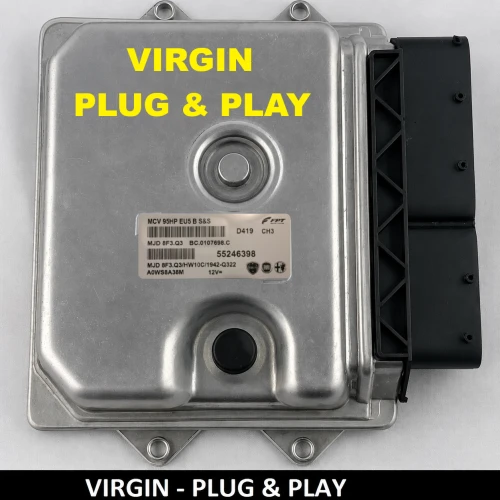

Engine Controller Operation and Its Application in Cars
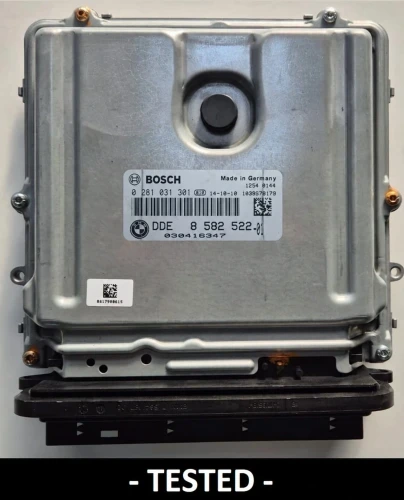
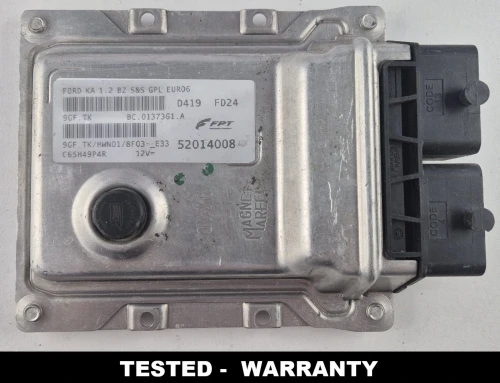
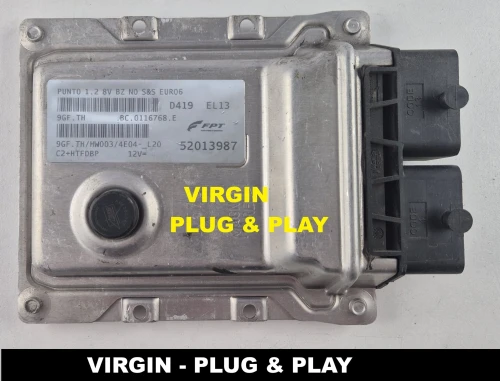
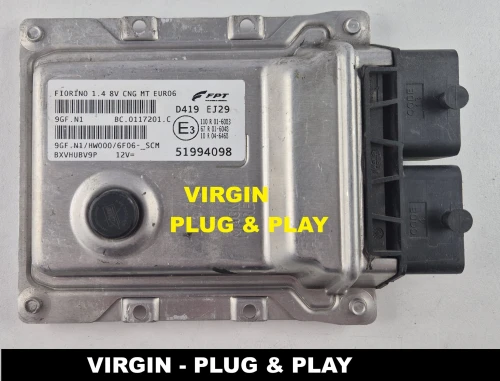
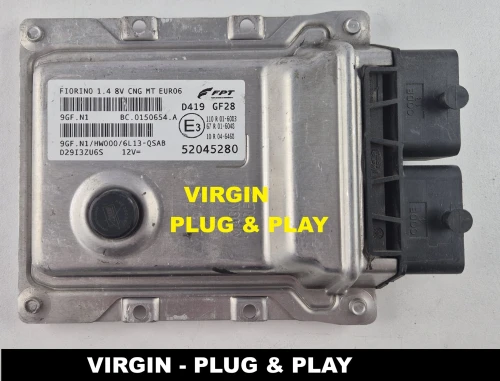
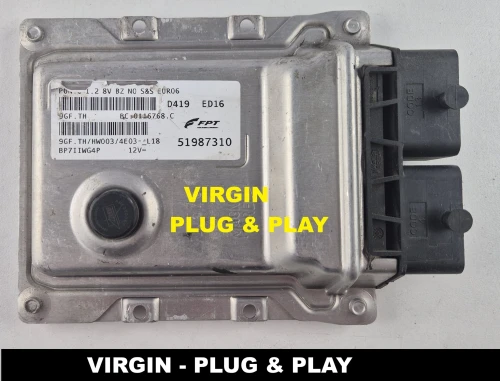
The engine controller, commonly known as the ECU (Engine Control Unit), is one of the key components in modern vehicles. Its development is a direct result of technological advancements in the automotive industry aimed at improving the performance and reliability of internal combustion engines. The ECU acts as the "brain" of the vehicle, managing engine operation, transmission (in the case of automatic or semi-automatic transmissions), and electronic systems such as the multimedia system and comfort systems.
In this article, we will explain how the engine controller works and discuss its application in modern cars.
How the Engine Controller Works?
The engine controller is an advanced electronic device that processes data from sensors located in various parts of the vehicle. It monitors parameters such as engine torque, crankshaft position, engine temperature, oil temperature, the amount of air supplied to the engine, and oxygen content in the exhaust gases.
All this data is analyzed in real-time, allowing the controller to make critical decisions regarding engine performance. For example, the controller regulates fuel injection, the amount of air supplied by the throttle, and the ignition timing of the air-fuel mixture. In turbocharged vehicles, the controller adjusts engine RPM based on signals from the throttle potentiometer.
These adjustments ensure that the engine operates optimally, improving power output and fuel efficiency. The controller is also responsible for monitoring the vehicle's electrical systems and engine sensors, detecting potential faults. In case of problems, it records an error code and displays it on the dashboard, which aids in quick diagnosis and repair.
Application of the Engine Controller in Cars
The engine controller is used in many aspects of vehicle operation. Below are the main areas where it plays a crucial role:
1. Engine Control
The primary task of the controller is managing the combustion process in the engine. It optimizes fuel delivery and ignition timing, ensuring the best performance with minimal fuel consumption and emissions. In gasoline engines, the controller controls fuel injection in both direct and indirect systems, while in diesel engines, it manages the operation of common rail injectors.
2. Exhaust Gas Recirculation System Management
Modern vehicles must meet strict emissions standards, such as Euro 6. The engine controller manages the operation of emissions reduction systems, such as the EGR valve, catalytic converters, diesel particulate filters (DPF), and selective catalytic reduction (SCR) systems. Cooperation with emission sensors ensures that emissions stay within the required limits.
3. Braking System Integration
The braking system communicates with many vehicle safety systems, such as:
- ABS (Anti-lock Braking System)
- ESP (Electronic Stability Program)
- Sensors on brake hubs
- Tire pressure sensors
This integration enables more precise vehicle control during braking and enhances driving safety.
4. Tuning Capabilities
Modern engine controllers are programmable, meaning that changes can be made to the software using specialized devices. Electronic tuning, also known as chip tuning, allows modification of the engine map to increase power and torque by adjusting the timing of fuel and air delivery. Before making changes, the vehicle undergoes a series of tests to assess the actual condition of the engine and exhaust system, ensuring the settings are optimized for the best and safest results.
5. Diagnostics and Fault Management
The engine controller also serves a diagnostic function. It monitors the performance of various systems, and in case of anomalies or faults that occur during engine operation, it records the corresponding error code. This allows mechanics to quickly identify the problem and take appropriate action. Car owners can save time and money by diagnosing the issue and repairing it promptly. Additionally, early intervention may prevent a minor issue from becoming a major one, thus reducing repair costs.
Advantages of Using Engine Controllers
The introduction of engine controllers revolutionized the automotive industry. The main advantages of their use include:
- Fuel Efficiency – precise fuel delivery reduces fuel consumption.
- Improved Driving Dynamics – the controller optimizes engine performance in various conditions.
- Lower Emissions – advanced combustion management and emission control systems.
- User Comfort – integration with other vehicle systems improves comfort and safety.
Disadvantages and Challenges
Despite the numerous benefits, engine controllers also have some disadvantages:
- Repair Costs – damage to the controller can be costly to repair or replace.
- Diagnostic Complexity – advanced technologies require specialized diagnostic tools.
- Dependence on Software – software errors can affect engine performance.
The Future of Engine Controllers
The development of engine controllers will continue, especially in light of increasing demands for ecological and energy efficiency. As hybrid and electric drive technologies become more popular, controllers play a key role in managing energy flow and coordinating cooperation between internal combustion engines and electric motors, as well as between engines and the drivetrain.
Modern cars are increasingly equipped with automatic transmissions, which have dedicated controllers. The transmission controller works with the engine controller, exchanging data and optimizing torque to ensure the best performance of the powertrain.
This collaboration allows for higher speeds at lower engine RPMs, resulting in significant fuel savings, especially on highways.
Modern vehicles are also becoming more advanced in terms of multimedia technologies, which are an integral part of today's cars. Multimedia systems, such as internet access, navigation, and mobile device integration, play a key role in improving comfort and safety while driving. These technologies, which were once exceptional, have now become standard in many vehicles.
Modern multimedia systems not only offer navigation functions but also provide access to the internet, apps, music, and the ability to sync with mobile devices, making it easy to control phones, messages, and play favorite content during trips. Many of these systems are also connected to other vehicle systems, allowing monitoring of driving parameters or providing information about the vehicle's technical condition.
To ensure the proper functioning of such advanced systems, engine controllers must be properly adapted. The integration of these technologies with the vehicle’s electronic systems, including the engine controllers, requires precise management of energy flow, communication between components, and ensuring appropriate operating parameters. Controllers must account for additional electrical loads resulting from multimedia system operation to ensure their stability and optimal performance.
As these technologies become more advanced, further adjustments to engine controllers and other vehicle systems will be necessary to meet the demands of modern multimedia systems. This will make vehicles even more functional, safe, and comfortable, while efficiently managing energy.
Summary
In summary, the engine controller is a crucial component of modern vehicles. Its development and improvement contribute to enhancing vehicle performance, reducing environmental impact, and increasing driving comfort and safety. As new technologies are introduced, the role of engine controllers will only grow, making them an indispensable element of the future of automotive technology.