
What Impact Does the Engine Control Unit Have on the DPF Filter Operation in a Car?
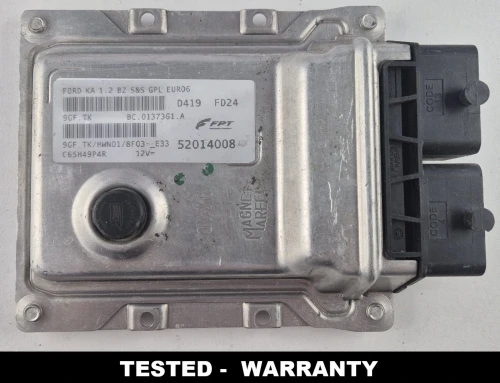
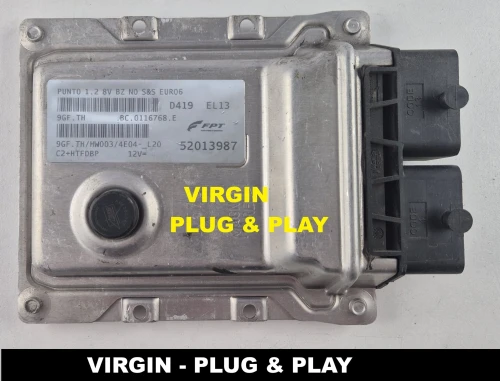
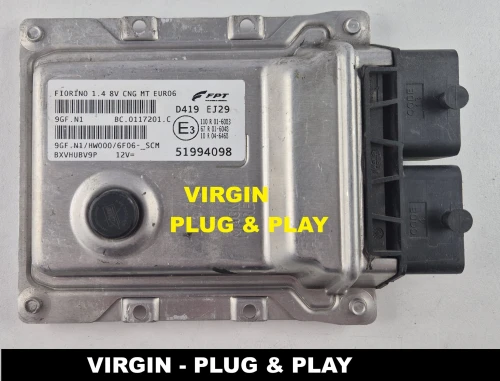
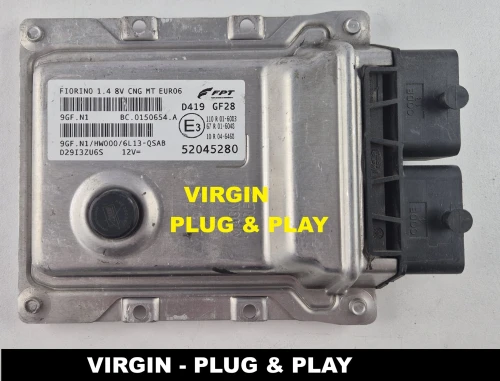
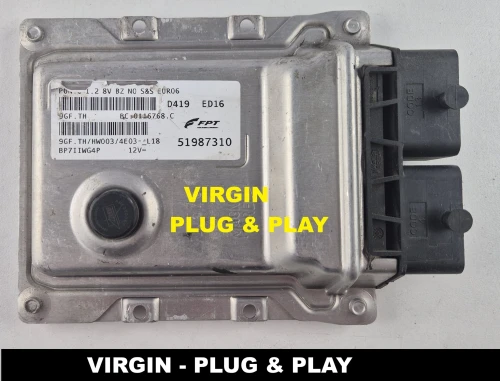
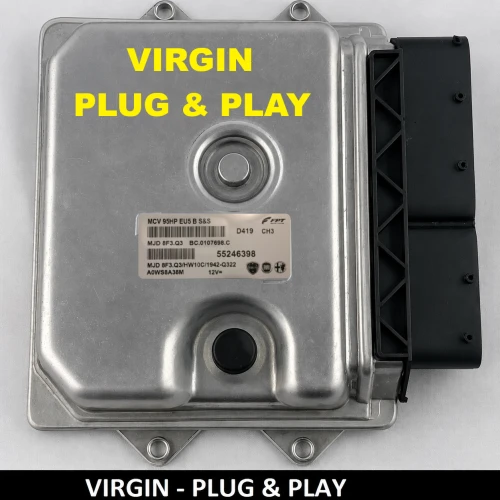
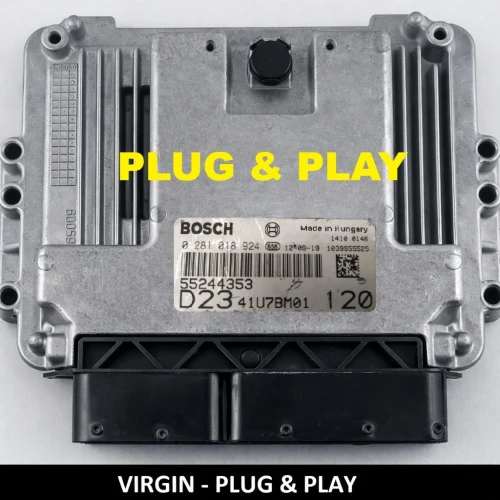
The engine control unit (ECU) plays a crucial role in the efficient operation of the diesel particulate filter (DPF) system in modern vehicles. The DPF is responsible for filtering exhaust gases to remove fine particulate matter generated during the combustion of fuel in diesel engines. Its proper functioning is essential for reducing the emission of harmful substances into the atmosphere.
The ECU monitors engine performance parameters and collaborates with the DPF system, controlling the regeneration process during which soot accumulates. The effective operation of the ECU enables optimal regeneration of the filter and the removal of accumulated soot particles by burning them off during driving. This process is triggered by a signal from the ECU when the required temperature (at least 80°C) and appropriate conditions, such as steady speed and higher engine revolutions, are met.
Optimizing the ECU settings is key to maintaining the correct operation of the DPF system and ensuring the filter’s longevity. Regular diagnostics and servicing of the ECU help avoid costly repairs and improve the overall efficiency of the vehicle.
What to Do When the DPF Filter Is Blocked and Cannot Be Regenerated?
If the filter cannot be regenerated during driving, service-based regeneration or, in extreme cases, replacement with a new filter may be necessary. Workshops offer various DPF regeneration methods, the most common being:
-
Thermal regeneration
This involves heating the filter to over 600°C, allowing the soot particles clogging the filter to burn off completely.
-
Chemical cleaning
This method uses special chemical agents that dissolve soot particles. The agent is applied to the interior of the filter, which is then heated to complete the cleaning process.
-
Mechanical or hydrodynamic cleaning
Performed using specialized equipment that employs vibrations, ultrasound, and water flow through the filter to flush out the soot.
Service-based regeneration is more effective than regeneration that occurs during regular vehicle operation and is more affordable than purchasing a new filter. However, if service regeneration fails, replacing the filter with a new one becomes the only viable option.
It is important to note that driving with a malfunctioning DPF system and improper ECU settings can lead to filter clogging. A blocked exhaust system restricts the flow of exhaust gases, causing the engine to choke. A clogged DPF results in reduced engine power, increased fuel consumption, frequent breakdowns, and potentially severe engine damage.