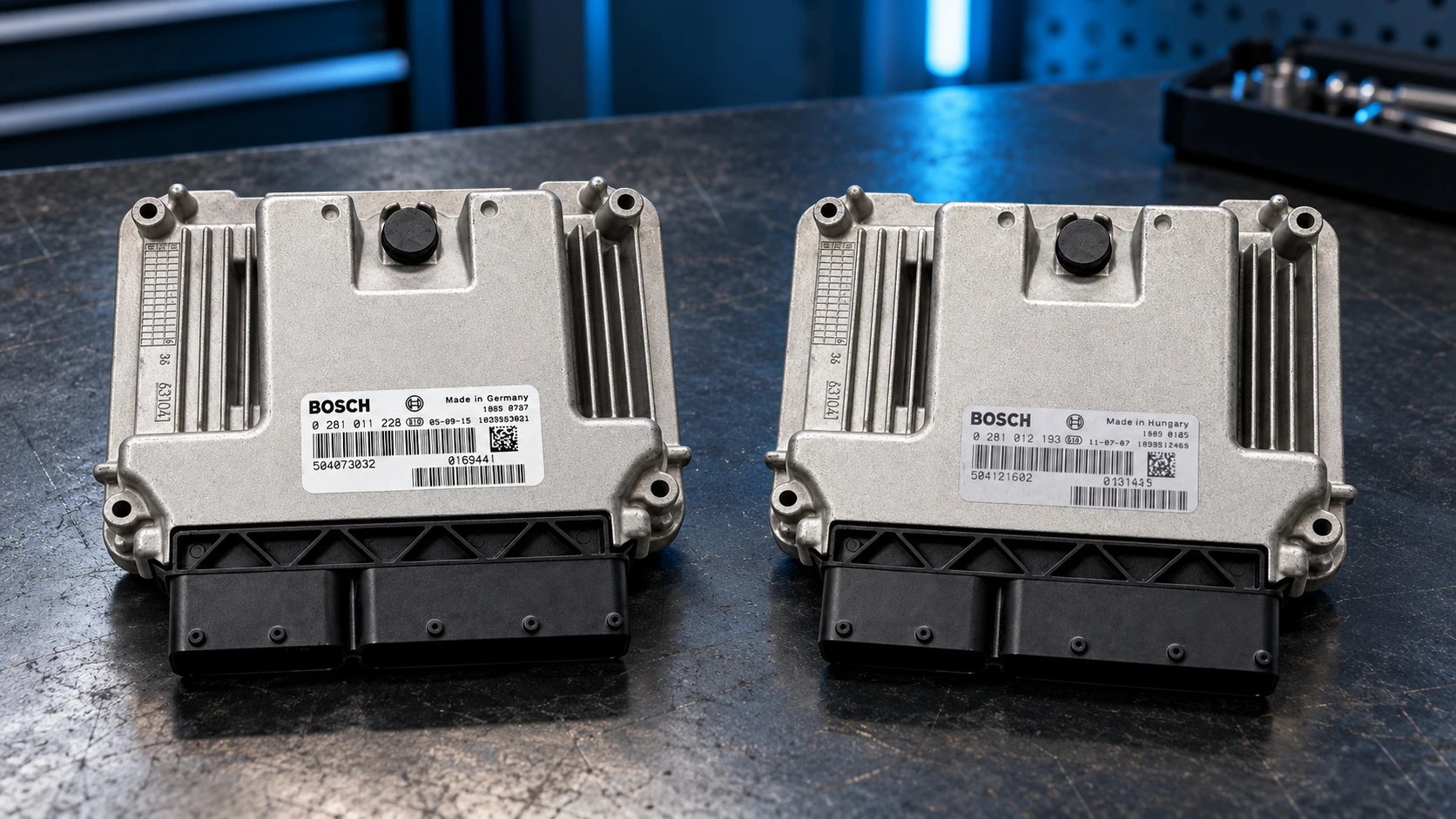

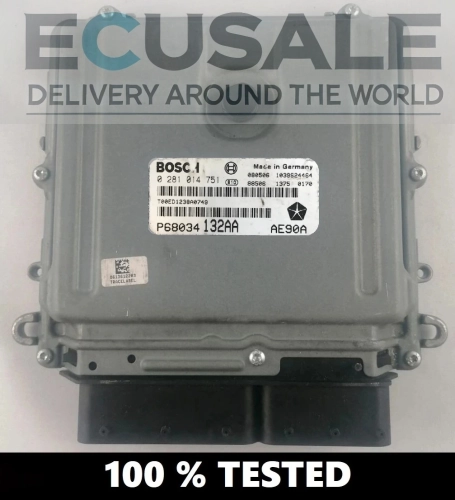
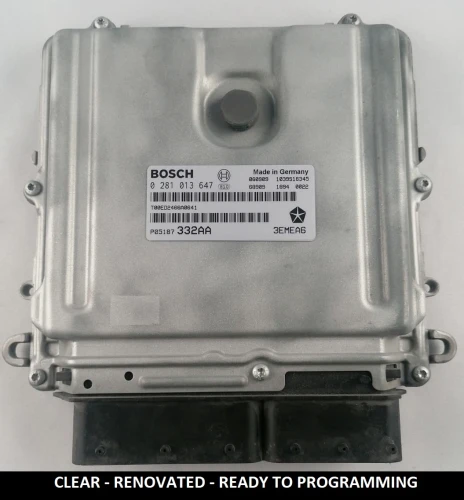
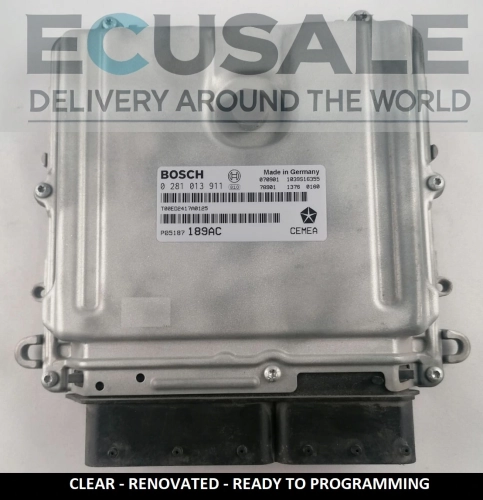
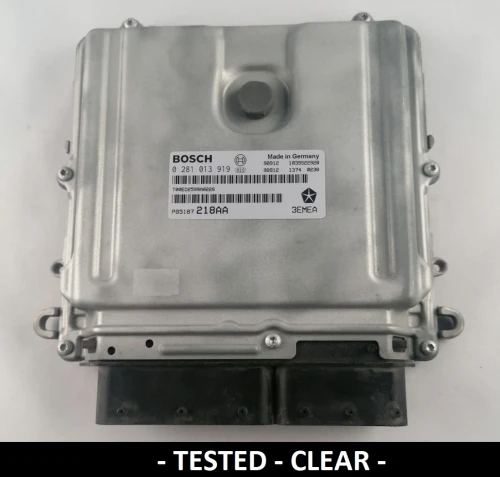
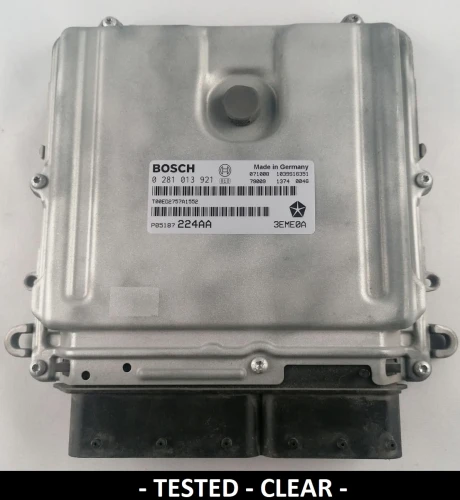
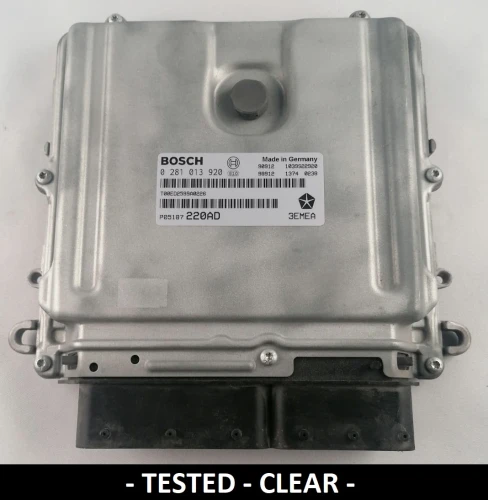
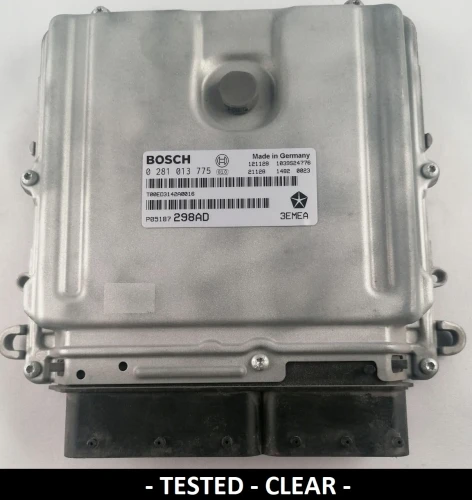
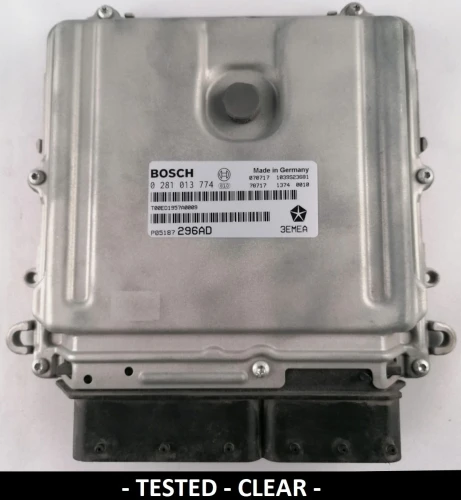
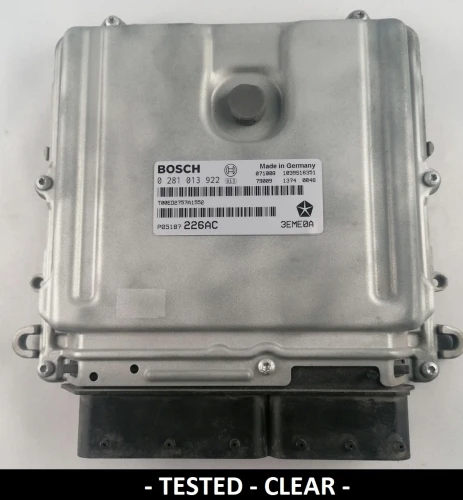
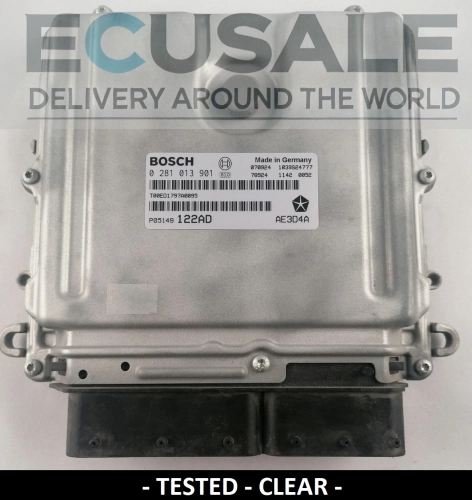
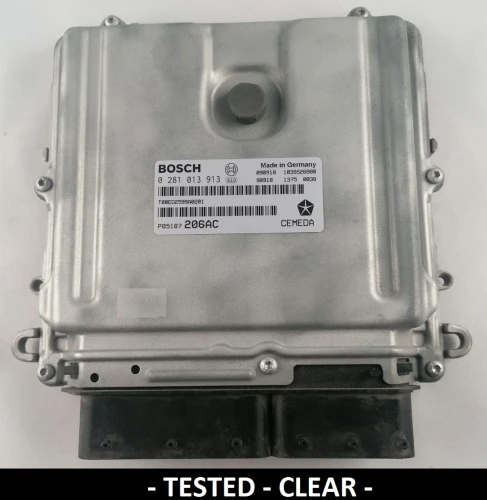
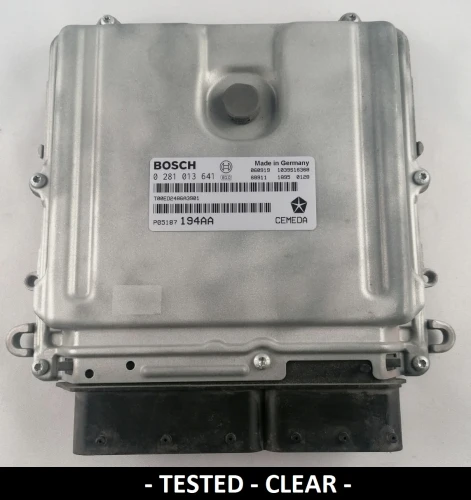
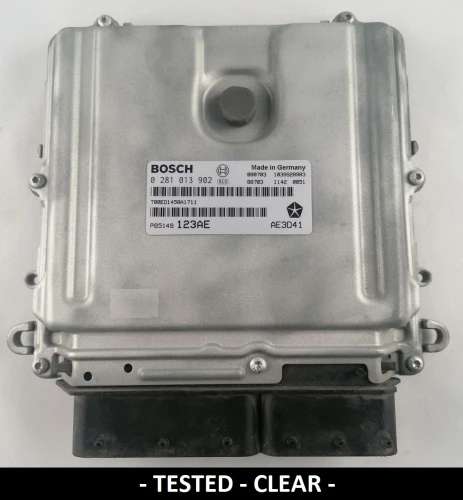
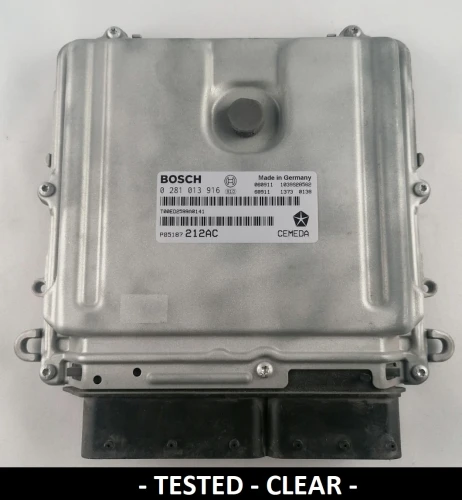
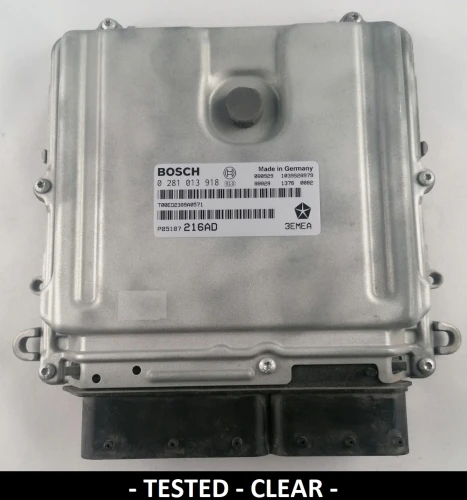
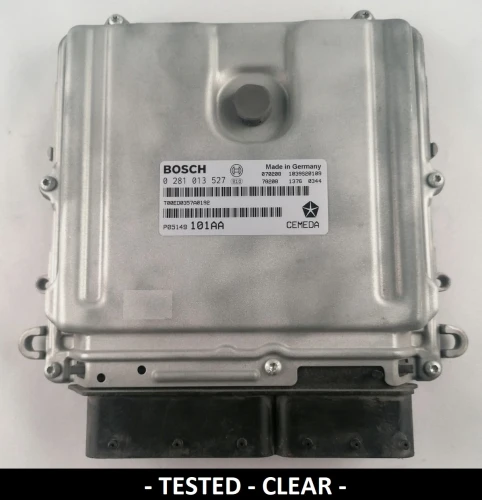
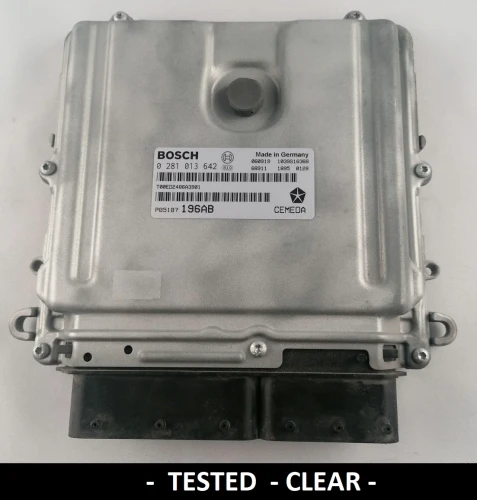
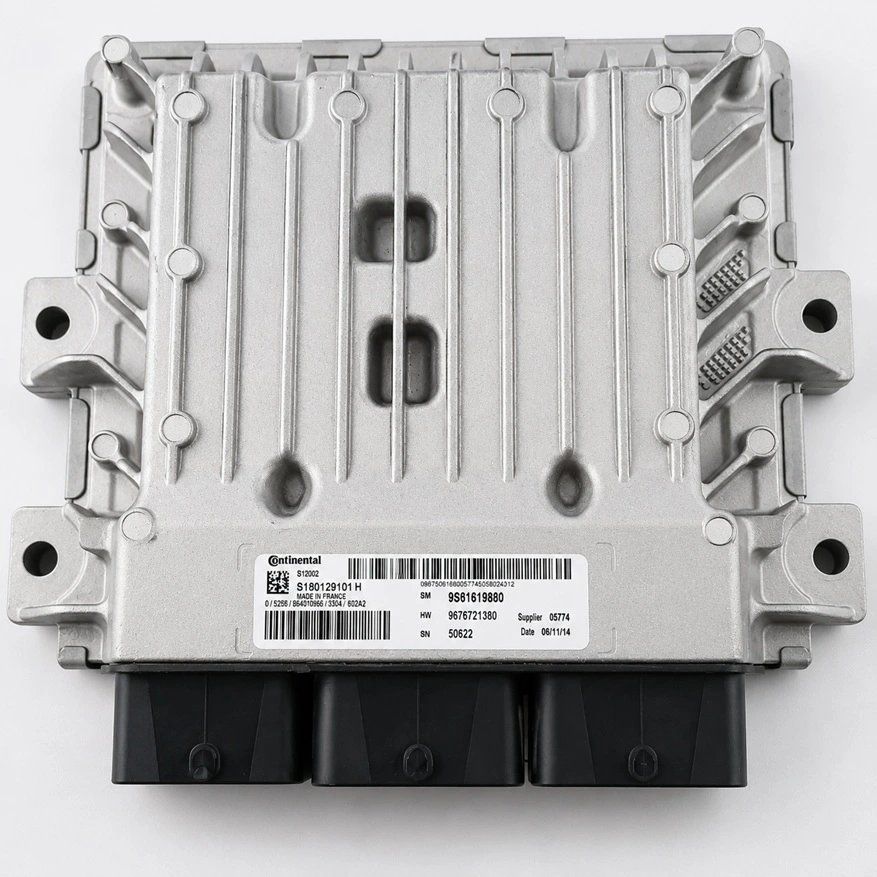
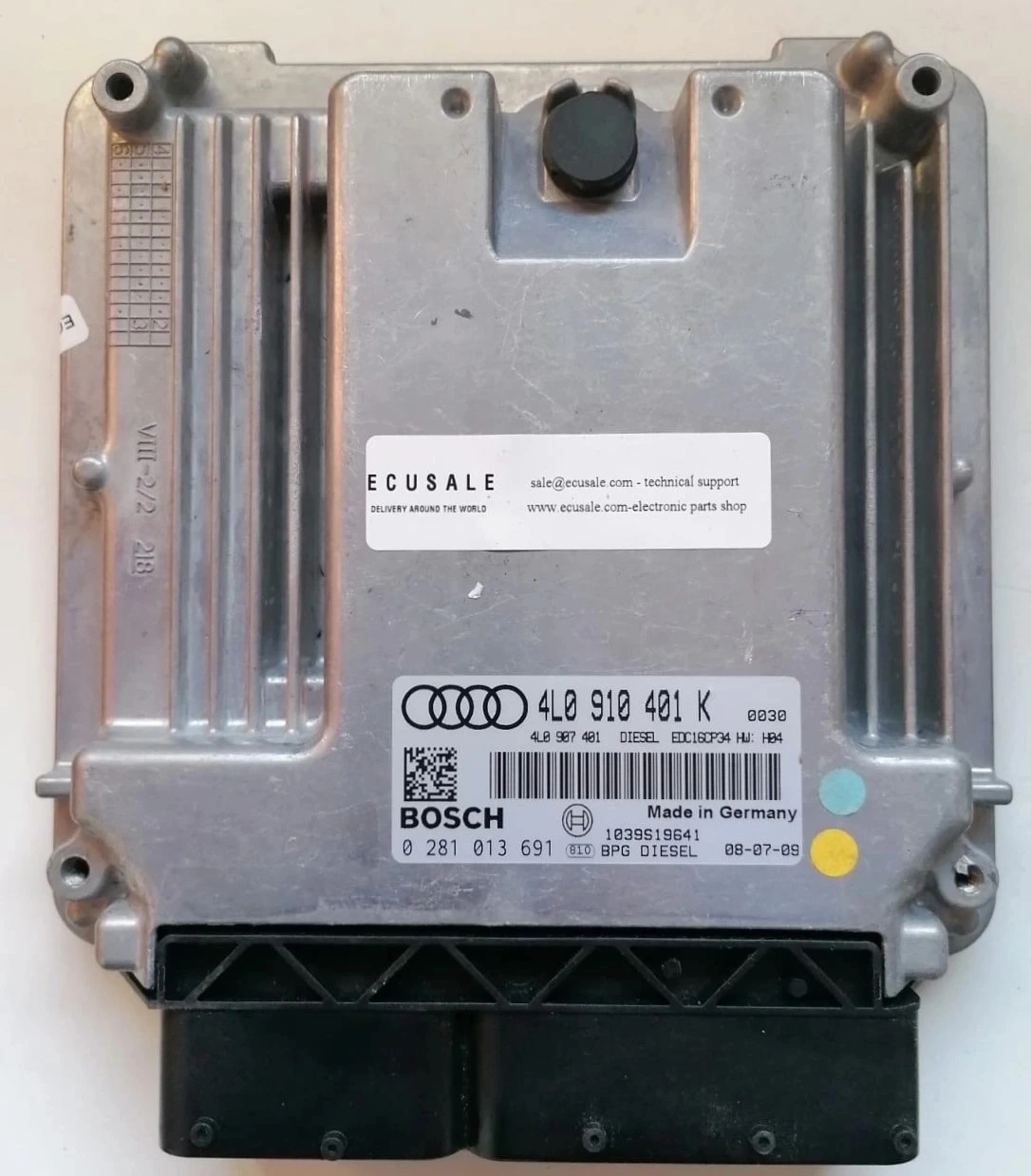
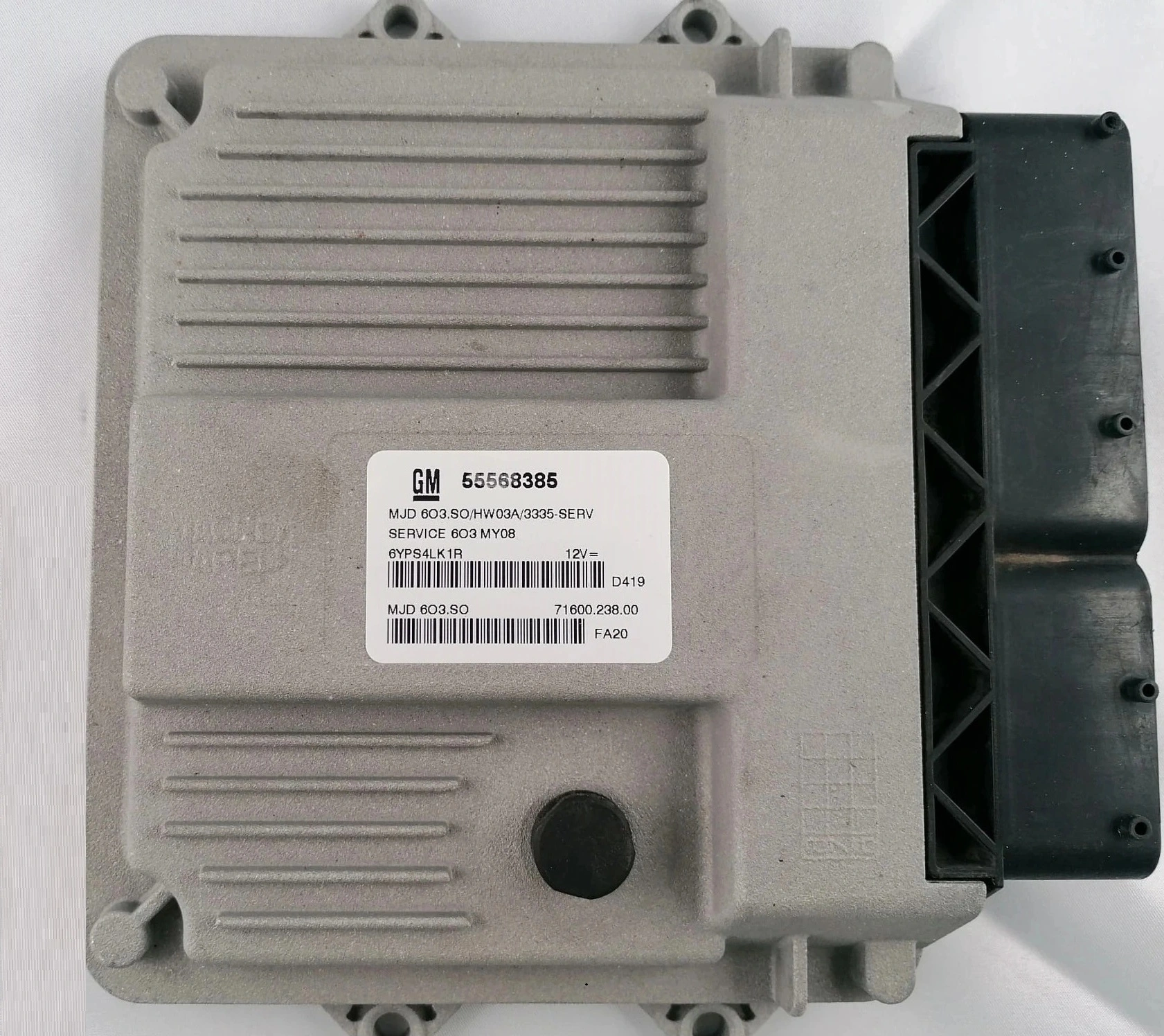
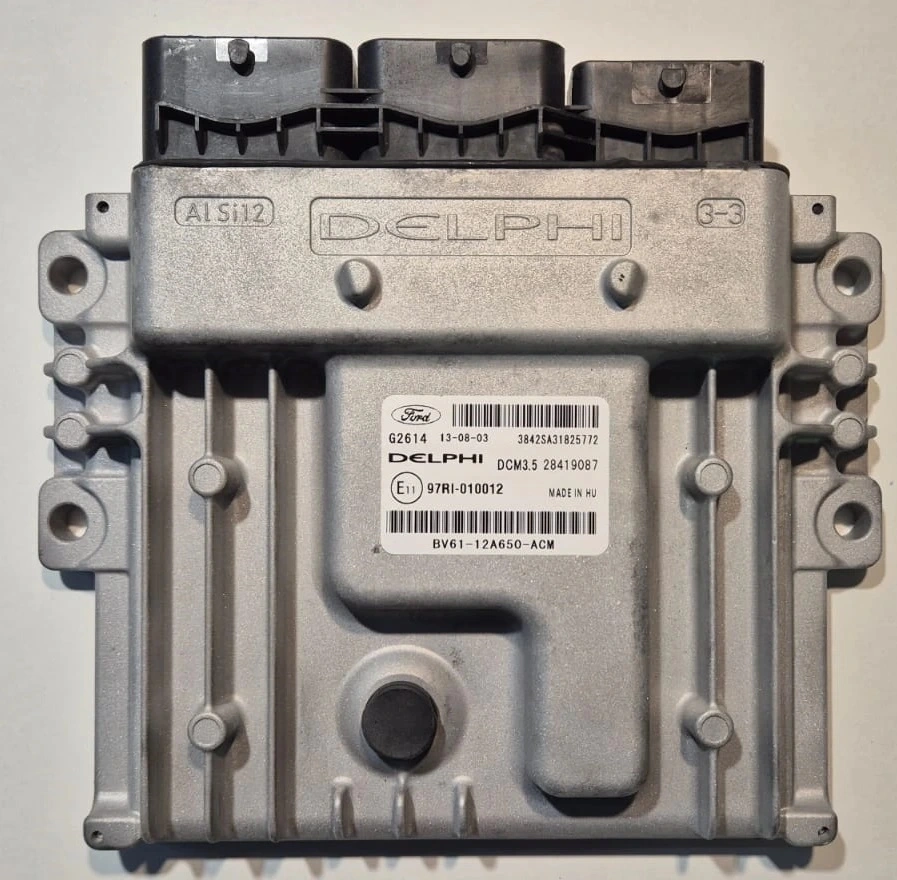

Ecu engine controller for Jeep
The ECU (Engine Control Unit) for Jeep vehicles plays a crucial role in controlling the vehicle's engine management system. This device is responsible for managing the engine's performance by regulating various components, such as fuel injection, ignition timing, and exhaust control. For Jeep owners, this means smoother engine operation and improved efficiency across different driving conditions. Jeep’s ECU system adapts to the demands of rugged terrains, enhancing the vehicle’s performance whether driving on highways or off-road environments.
Practical benefits for users
For everyday drivers, the most noticeable benefit of Jeep’s ECU is its ability to optimize fuel efficiency without compromising performance. In practical terms, this translates to fewer fuel stops on long trips and better overall economy in both city and off-road driving. Users may experience better throttle response, more consistent power delivery, and a quieter engine. In fact, the fuel savings can reach up to 10% in comparison to older Jeep models that don’t have such advanced ECU systems.
Experience with the product
Having driven a Jeep equipped with this ECU system, I can attest to its impact on the overall driving experience. During off-road adventures, the vehicle feels responsive, adapting quickly to challenging terrains, which is a direct result of the intelligent adjustments made by the ECU. On highways, the Jeep operates smoothly, with improved fuel efficiency and a quieter engine. The system’s ability to handle both rugged environments and urban driving seamlessly stands out.
How it compares to competitors
When comparing the Jeep ECU to similar systems in other off-road vehicles, such as those used in Toyota or Land Rover, it becomes evident that Jeep’s system excels in adapting to diverse driving conditions. While other brands may offer excellent off-road performance, Jeep’s ECU strikes a balance between efficiency and capability. For instance, compared to a Land Rover system, Jeep's ECU is designed to be more responsive in off-road scenarios without sacrificing fuel economy.
Moreover, unlike the Toyota systems, which can sometimes focus too much on performance at the expense of fuel efficiency, Jeep’s ECU manages to deliver power while ensuring that long trips are more fuel-efficient, particularly important for those who frequently explore remote areas.
Possible downsides
Despite its advantages, there are some areas where the Jeep ECU system might not appeal to every user. The complexity of the system means that if an issue arises, repairs could be costly and require specialized knowledge. While Jeep's ECU typically performs well, there’s a potential for malfunctions that might lead to reduced performance, especially in older models where the technology might be slightly outdated. Additionally, for those who prefer a more "hands-on" driving experience, the automatic adjustments made by the ECU may feel less engaging, particularly when pushing the vehicle to its limits.
The ECU engine controller for Jeep vehicles significantly enhances driving performance, fuel efficiency, and overall engine management. It provides an intelligent solution for handling various driving conditions, from urban streets to rugged trails. Although it has its limitations in terms of repair costs and user control, the benefits far outweigh these drawbacks, making it a great addition for Jeep owners looking for a reliable, efficient, and versatile vehicle system. Whether you’re a daily commuter or an off-road enthusiast, this ECU is a key feature that makes the Jeep experience smoother and more enjoyable.
Frequently asked questions – Jeep ECU engine controllers
Will a used Jeep engine controller fit my car?
The compatibility of a Jeep ECU should always be checked using the part number shown on the label of the original module. The vehicle model, year of manufacture, engine version, gearbox type and software version are also important. Jeep vehicles were fitted with different ECU versions, so modules that look similar are not always interchangeable.
Does a Jeep engine controller need programming after installation?
In many Jeep models, the engine controller must be programmed, adapted or synchronised with the immobiliser after replacement. A used ECU may still contain data from the previous vehicle, so before installation it is often necessary to clone the old controller, prepare the module as virgin or immo off, or program it in the car using suitable diagnostic equipment.
What are the symptoms of a faulty Jeep engine controller?
A faulty Jeep engine ECU may cause starting problems, engine stalling, no communication with diagnostic equipment, rough engine running, loss of power, injector fault codes, ignition problems, increased fuel consumption or a Check Engine warning light. In some cases, an ECU failure can completely immobilise the vehicle.
Can a Jeep ECU from another car be installed?
Simply fitting an ECU from another vehicle is usually not enough, because a used module may be assigned to the previous car, immobiliser, VIN number and engine configuration. For the controller to work correctly, it may be necessary to clone the data from the original module, prepare the ECU as virgin or perform the correct adaptation in the vehicle.
For which Jeep models are engine controllers available?
ECUSale offers engine controllers for many Jeep models, including Jeep Grand Cherokee, Cherokee, Compass, Renegade, Patriot, Wrangler and other petrol and diesel versions. When selecting the correct ECU, the most important information is the part numbers from the label of the old module and the exact vehicle details.
How to choose the correct Jeep engine controller?
To select the correct Jeep engine controller, it is best to send a photo of the old ECU label, the part number, vehicle model, year of manufacture, engine capacity and power, as well as information about the gearbox. With these details, it is possible to check compatibility and choose a controller suitable for programming, cloning or preparation as virgin, plug & play or immo off.