BMW DME and DDE ECUs – Selection, Programming and Repair
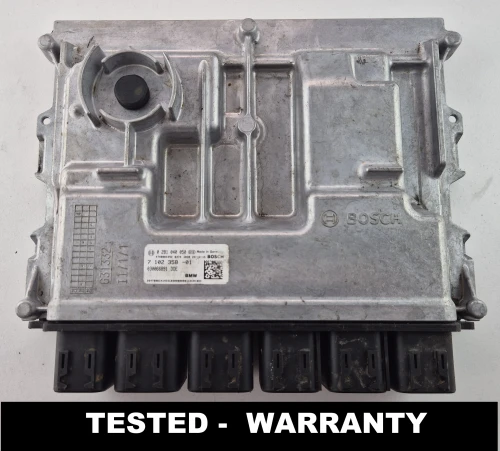
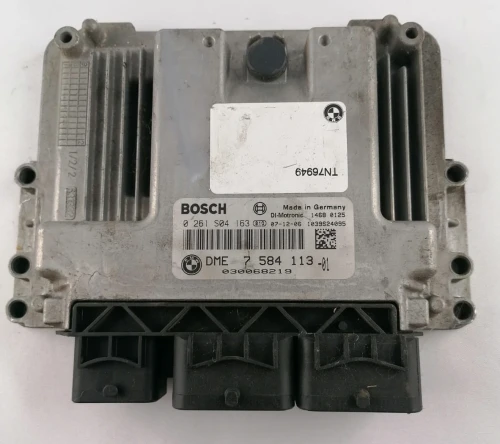
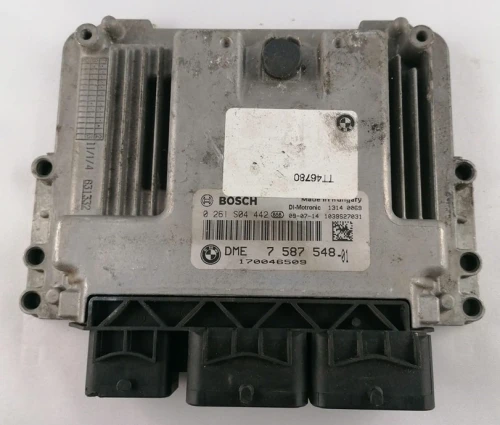
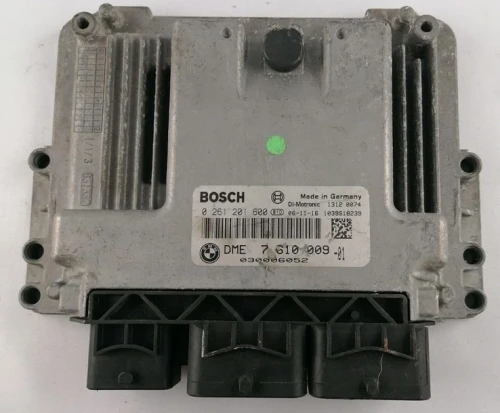
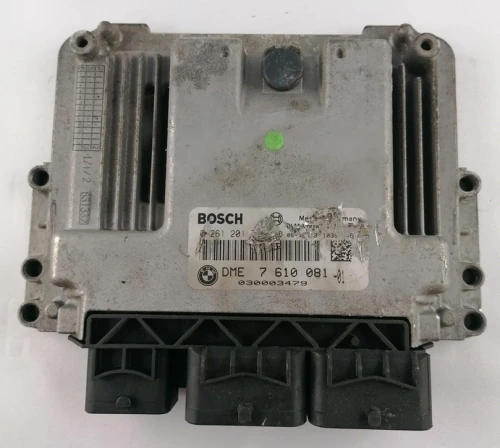
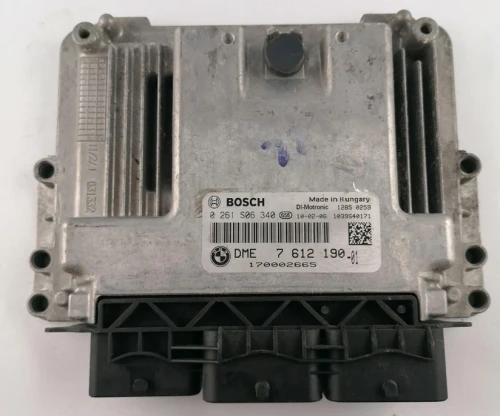
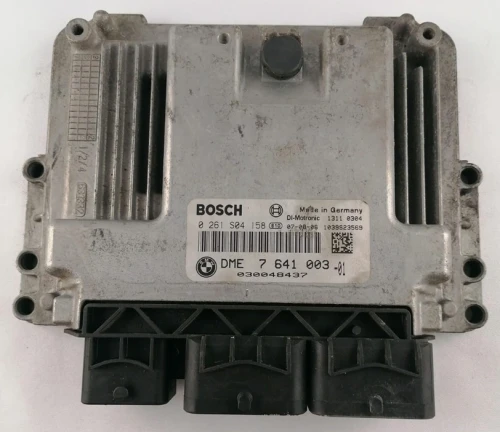
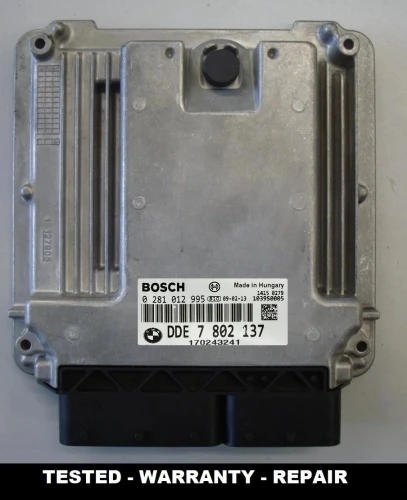
A BMW engine control unit, also called an ECU or engine computer, manages engine operation using information from sensors. DME identifies petrol engine management systems, while DDE is used for diesel engine management.
The functions controlled depend on the application. They may include fuel injection, ignition on petrol engines, throttle control, fuel pressure, boost control and communication with other vehicle modules.
ECUSALE offers tested BMW replacement ECUs for different engine versions and vehicle platforms. Most units are supplied locked and require programming and appropriate matching to the receiving vehicle. Always check the preparation and installation requirements in the individual product description.
How to Choose the Correct BMW Engine ECU
The vehicle model, production year, engine capacity or power output alone cannot confirm compatibility. Similar BMW vehicles may use different hardware, software and security configurations.
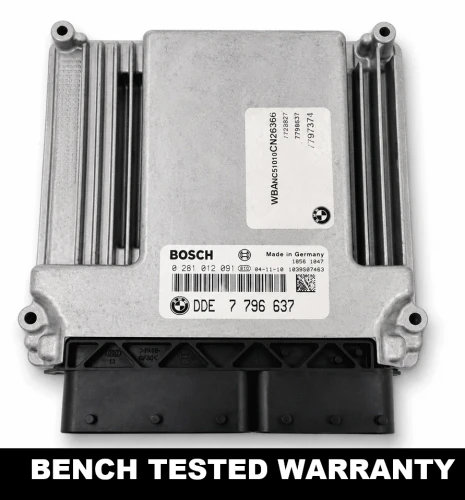
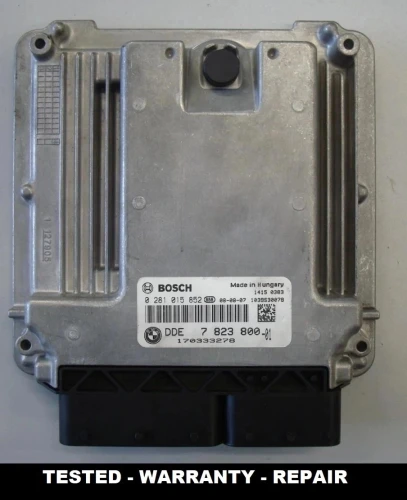
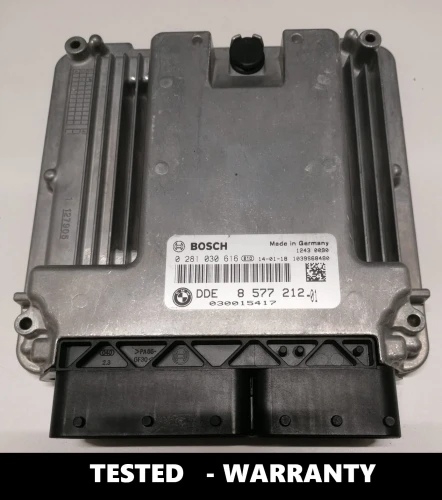
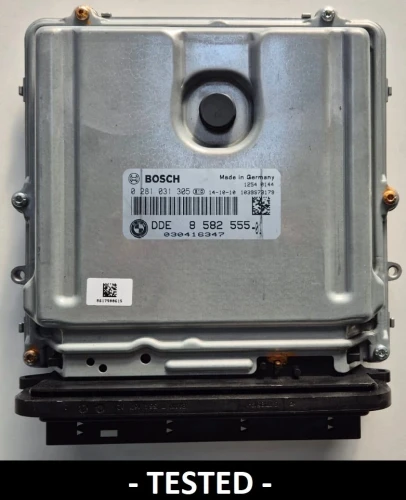
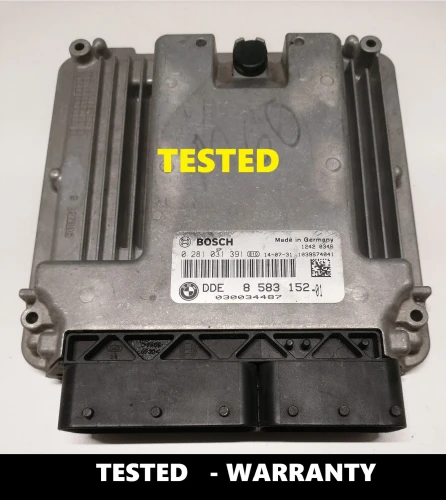
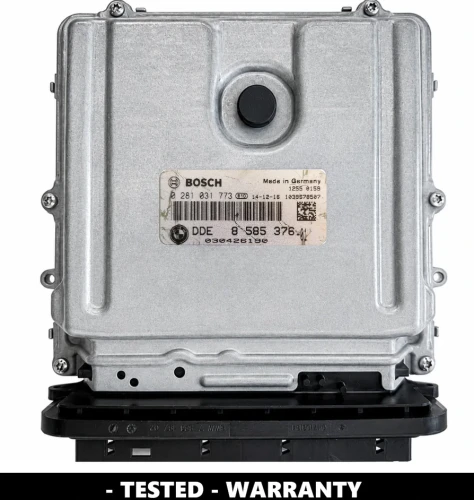
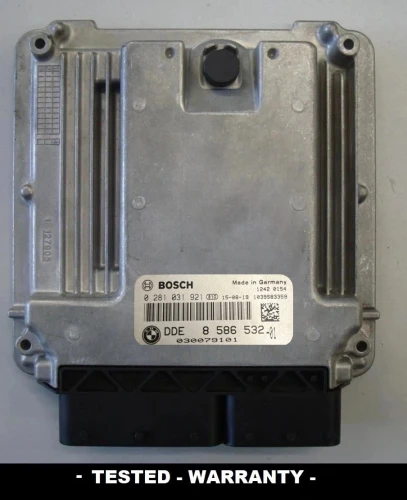
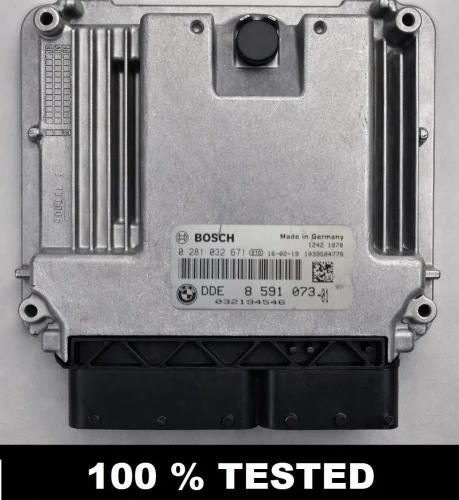
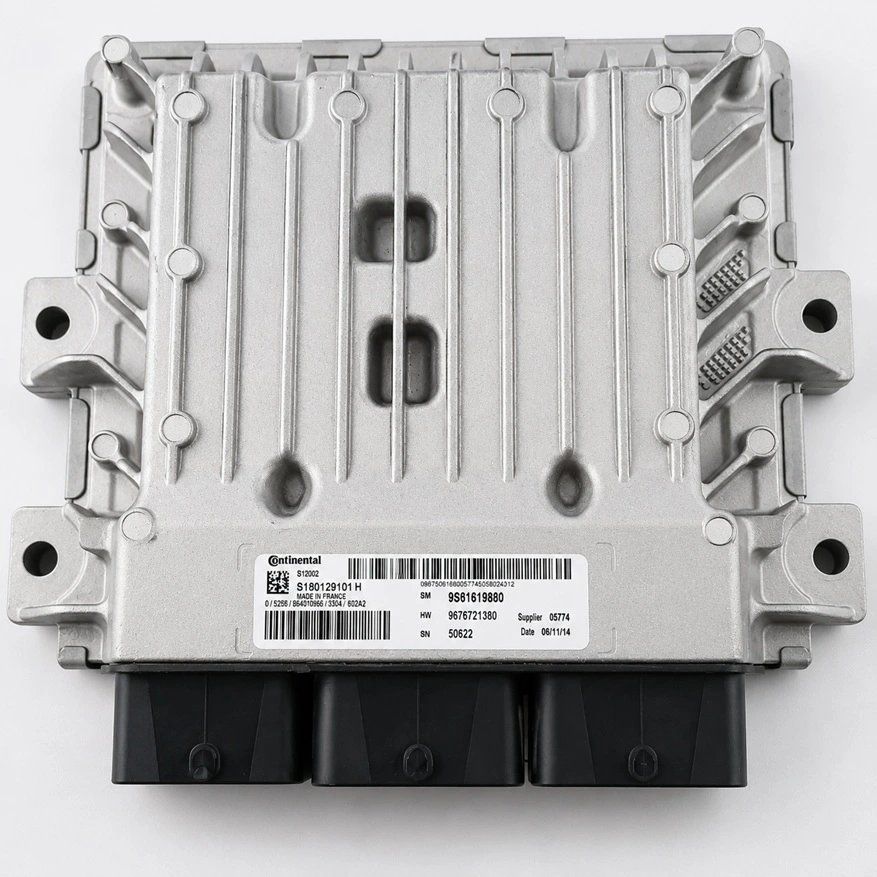
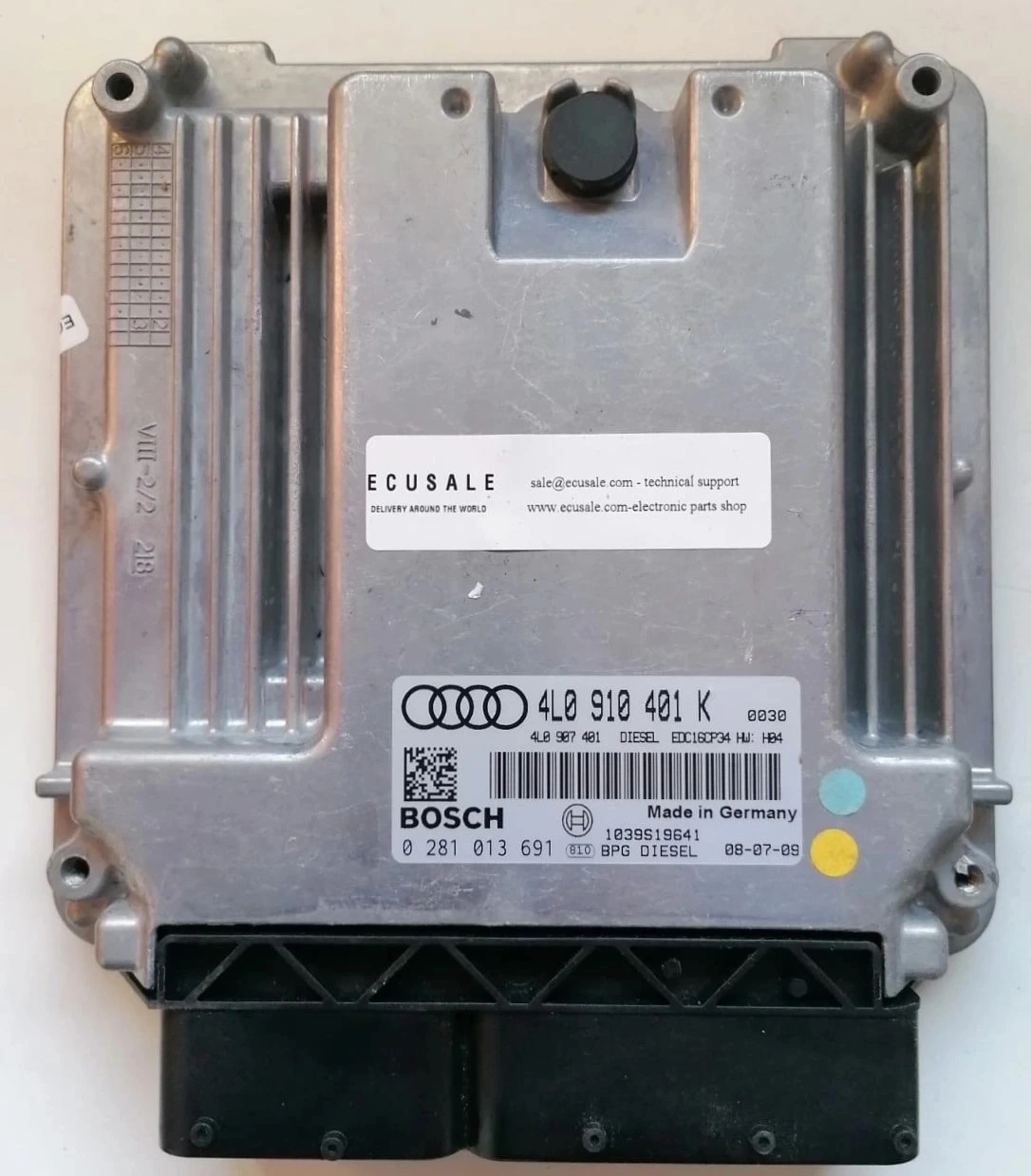
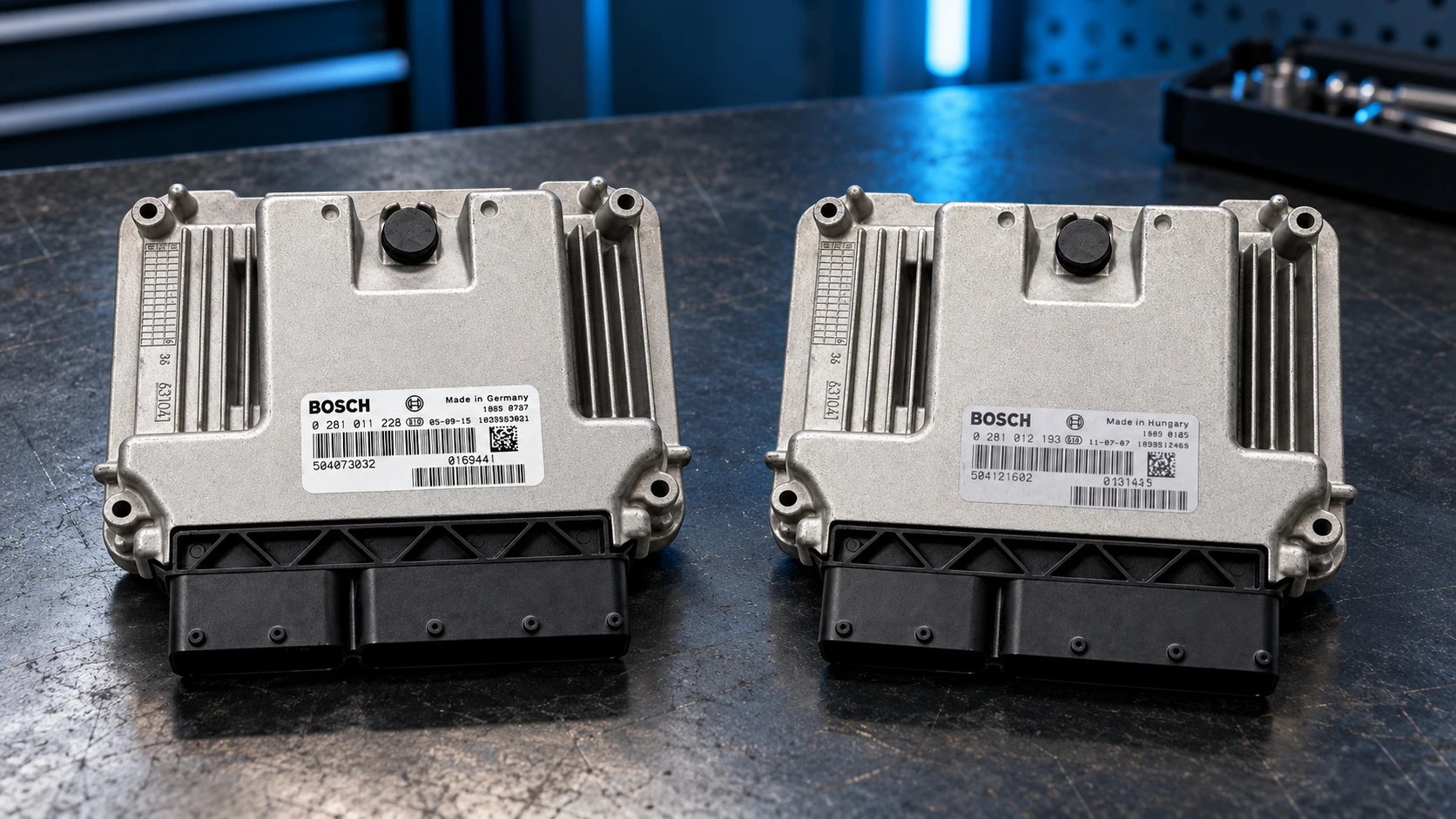
Start with the original ECU label. Compare the complete BMW part number, the manufacturer part number and any additional version identifiers. Include all suffixes and revision markings.
| Information to Check |
What to Compare or Send |
| BMW part number |
The complete reference from the original label, including any suffix or revision marking. |
| Manufacturer part number |
The Bosch, Siemens or Continental number, where identified on the original module. |
| Hardware and software identification |
HW, SW and ECU family markings. Diagnostic identification may also be needed for some applications. |
| Vehicle details |
Model, production year, engine version, transmission type and VIN. |
| Original ECU condition |
State whether the original module communicates with diagnostic equipment and describe any fuel contamination, water damage or previous repair attempts. |
Matching casings or connectors do not prove compatibility. Equally, different part numbers may be suitable replacements in specific applications, but this must be verified before ordering.
The VIN helps identify the vehicle configuration but does not always replace the references on the original ECU, particularly if modules have previously been replaced.
Searching by BMW DDE and Bosch Part Numbers
For a diesel ECU, search using both the BMW reference and the complete Bosch number. For example, enter DDE8591073 0281032671 rather than only “BMW 2.0 diesel ECU”.
A Bosch reference may be printed with spaces, such as 0 281 032 671, or without spaces as 0281032671. Compare the complete sequence of digits. A shared number prefix does not establish compatibility.
Unsure About the Part Number or Preparation Required?
Send the original ECU label, VIN and vehicle details. If your workshop has suggested an alternative part number, include it so that the proposed replacement can be checked.
Send Your BMW ECU References
Locked BMW ECUs – What Is Required Before Installation?
A locked used ECU retains data and security associations from its previous application. It should not be expected to start another vehicle simply after being connected.
The replacement procedure depends on the BMW platform, ECU type, security system and preparation supplied. It may involve programming, coding and appropriate handling of the security data.
Programming, coding, immobiliser matching and cloning are different operations. Not every replacement requires all of them, and completing one does not automatically replace the others.
| Operation |
Purpose |
What Must Be Confirmed? |
| Programming |
Writing the appropriate ECU software. |
Whether the selected module supports the intended application and which preparation steps are required. |
| Coding |
Setting the configuration required by the vehicle. |
Engine, transmission and relevant equipment configuration. |
| Security system matching |
Preparing the ECU to cooperate with the vehicle’s start authorisation system. |
The procedure supported by the specific vehicle generation and the security data held by the replacement ECU. |
| Cloning |
Transferring the required original data to a compatible replacement. |
Replacement compatibility, data recovery possibilities and the integrity of the original data. |
Before buying, confirm that your workshop can prepare a used ECU for your BMW platform. Writing the VIN, performing standard coding or carrying out a synchronisation procedure is not sufficient for every application.
If cloning is being considered, provide the references of both modules and describe the original ECU’s condition. The feasibility of data transfer must be assessed individually.
During programming, the workshop should maintain a stable power supply according to the applicable procedure. Existing power supply and communication faults should be resolved before programming begins.
Example BMW DDE Replacement ECUs
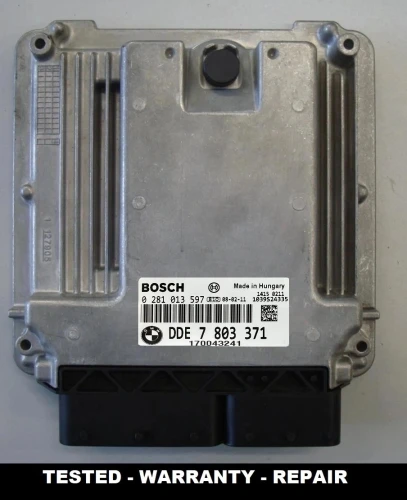
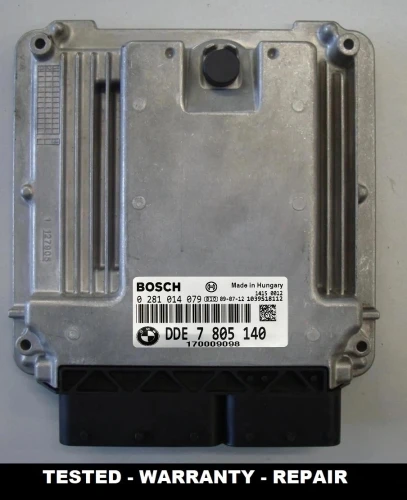
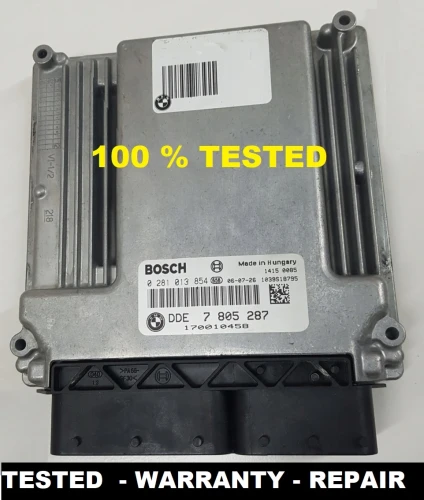
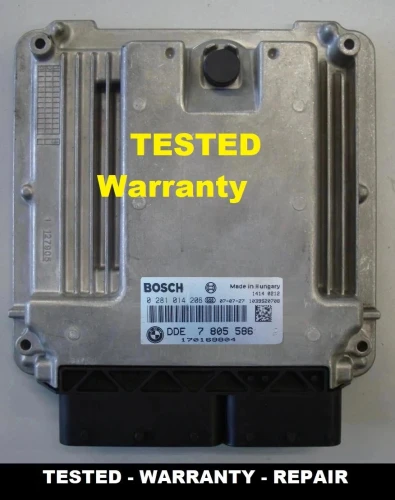
The following references provide useful starting points for a part number search. The application of one ECU must not be extended to other variants in the same family.
The 0281032671 / 8591073 reference is one of the most frequently purchased BMW ECUs in our range. Check the individual listing for the stated application, condition and preparation before ordering.
You can also browse Bosch automotive electronics. Manufacturer identity alone does not establish vehicle compatibility.
BMW Diesel ECU Repair and Fuel Contamination
On selected BMW diesel applications, fuel can enter the electrical wiring and travel along the harness to the ECU connector. Fuel found in the connector requires investigation of the source and the condition of the wiring.
ECUSALE can assess repair options for supported BMW modules, including:
If your original ECU carries these references, send a clear label photo, photographs of the connectors and information about diagnostic communication. The product links identify example modules; the possibility of repairing your original unit must be assessed separately.
Repair feasibility depends on the extent of electronic damage and the condition of the memory, processor and electrical connections. Not every contaminated ECU can be repaired successfully. Where appropriate, a compatible replacement and a suitable preparation procedure may be considered.
Read our guide to BMW 2.0 diesel ECU repair following fuel contamination for more information about diagnosis and replacement considerations.
Remove the cause of contamination before installing another ECU.
Cleaning or drying the connector does not confirm that the underlying leak has been resolved. The workshop should identify the source and inspect the affected wiring before installing a repaired or replacement module.
Starting Problems, No Communication and Intermittent BMW ECU Faults
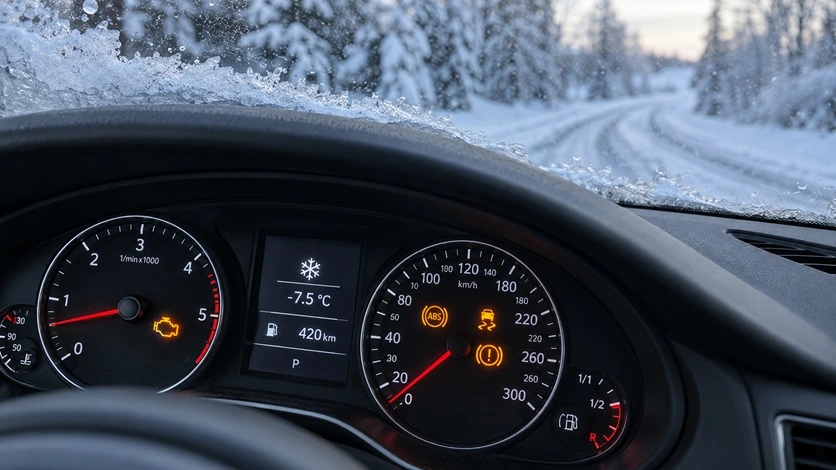
Engine ECU diagnosis may be appropriate when symptoms include:
- The engine cranks but does not start.
- No diagnostic communication with DME or DDE.
- Intermittent starting difficulties or unexpected engine shutdown.
- Rough running, reduced power or limp mode.
- Faults affecting injection, ignition or other controlled components.
- Communication errors between vehicle modules.
- Fuel, moisture or corrosion visible at the ECU connectors.
These symptoms do not prove an internal ECU failure. Similar problems may originate in the power supply, wiring, fuel system, sensors, actuators or vehicle security system.
What to Check Before Replacing a BMW Engine Computer
Before installation, the workshop should confirm the diagnosis and inspect the relevant circuits and components:
- Battery condition and supply voltage.
- ECU power supplies and ground connections.
- Fuses and relays.
- Connectors, terminals and wiring harness.
- Communication circuits, including CAN where applicable.
- Sensor and actuator circuits.
- Evidence of fuel contamination, water ingress or corrosion.
- Start authorisation status and security system faults.
An unresolved short circuit or leak can damage a working replacement ECU. Replacing the engine computer does not guarantee that the vehicle will start if the underlying fault is elsewhere.
BMW Engine ECUs and CAS, FEM or BDC Security Systems
The engine ECU works with the start authorisation system used by the specific BMW platform. Depending on the vehicle generation, this may involve EWS, CAS, FEM or BDC. A procedure applicable to one generation should not be assumed to work on another.
Immobiliser faults or a lack of start authorisation require diagnosis of the cooperating modules. These faults do not automatically establish that the DME or DDE is defective.
If diagnosis identifies a separate module fault, browse our BMW CAS, FEM, BDC, FRM and JBE modules. These components perform different functions; not all are responsible for start authorisation. Each requires its own compatibility check and installation procedure.
BMW ECUs Checked Before Dispatch
Our replacement engine ECUs are checked before dispatch. The inspection scope depends on the technical capabilities of the module, and the supplied condition and preparation should be confirmed in the product description.
A checked ECU is not necessarily programmed for your vehicle. Most BMW ECUs in our range are supplied locked and require programming and appropriate matching before use.
Products are supplied with a six-month warranty, subject to the conditions applicable to the selected item. Information about the relevant procedures is available on our returns and complaints page.
Ordering and Delivery of Your BMW Replacement ECU
Before ordering, confirm the complete part numbers, the preparation supplied and your workshop’s ability to complete the required installation procedure. For repair enquiries, include the fault description and any diagnostic findings.
Check our shipping costs and delivery information and available payment methods. Refer to the selected product for its stated dispatch time.
If you need help identifying a replacement or assessing a damaged ECU, contact ECUSALE with the original ECU references.
Repair or Replacement? Start with the ECU References.
Send a clear label photo, VIN and fault description. For a contaminated module, include connector photographs and state whether diagnostic communication is still possible. We can help check the replacement reference and assess repair options for supported ECUs.
Ask About a BMW ECU or Repair
FAQ – BMW Engine Control Units
| Question |
Answer |
| Will a used BMW ECU work immediately after installation? |
Most BMW ECUs in our range are supplied locked and require programming and appropriate matching. Do not assume plug-and-play installation unless it is explicitly confirmed for the selected product and vehicle. |
| Can I choose a BMW ECU using only the VIN? |
The VIN helps identify the vehicle configuration, but send the original ECU label as well. Complete BMW and manufacturer references, together with version identifiers, are needed to check the proposed replacement. |
| Are ECU programming and cloning the same service? |
No. Programming writes software, while cloning transfers the required original data to a compatible replacement. The appropriate procedure depends on the platform and whether usable original data can be recovered. |
| Can you repair a BMW ECU contaminated with diesel fuel? |
We can assess supported modules, including 0281031775 / DDE8585378 and 0281030767 / DDE8578183. Repair feasibility depends on the individual unit’s condition. Send the references, photographs and diagnostic communication status. |
| What should I do if there is diesel fuel in the ECU connector? |
Have the workshop identify the leak source and inspect the wiring before fitting a repaired or replacement ECU. Drying the connector alone does not establish that the cause has been removed. |